
Murdannia vaginata
Murdannia vaginata
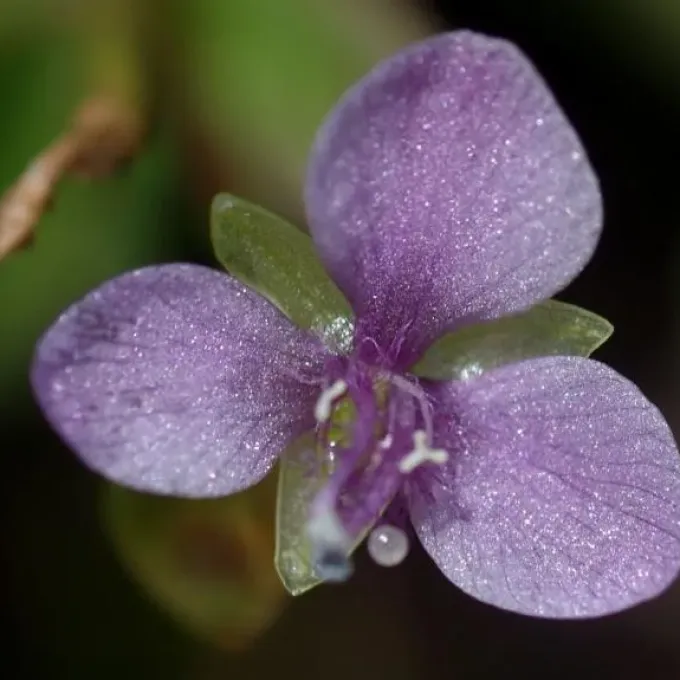
Description
Sowing dates
Murdannia vaginata is typically cultivated as an annual, with propagation primarily achieved through seeds sown in early spring once soil temperatures are consistently warm.
For optimal results, seeds should be sown in a sterile, well-draining seed starting mix and kept in a warm environment to facilitate consistent germination rates.
Once the seedlings have developed two sets of true leaves, they can be transplanted into larger pots or directly into the garden, provided the risk of frost has completely passed.
It is important to keep the growing medium moist but not waterlogged during the germination stage to ensure the delicate roots do not suffer from rot.
Spacing the plants adequately is recommended to prevent competition for nutrients and to allow for proper airflow, which is critical for the long-term health of the crop.
Growing requirements
As a member of the Commelinaceae family, this species thrives in tropical and subtropical environments, requiring high humidity levels and consistent warmth to reach maturity.
The plant prefers fertile, loamy soil with a neutral to slightly acidic pH, which helps support its rapid growth and dense foliage development throughout the growing season.
Light requirements are specific: the plant performs best in dappled shade or bright, indirect light, as excessive exposure to direct sunlight can lead to leaf scorched edges.
Regular irrigation is essential, as the plant lacks drought tolerance and will quickly show signs of stress, such as wilting or stunted growth, if the soil dries out.
During the peak growing season, the application of balanced liquid fertilizers can encourage vigorous growth and maintain the overall aesthetic quality of the plant.
Main diseases and pests
Fungal diseases are a primary concern, particularly root rot, which typically develops when soil drainage is poor or when plants are subjected to waterlogged conditions.
Pests like aphids are common threats that target tender stems and new leaves, potentially spreading viral issues if not managed through timely intervention.
Spider mites are another notable threat, especially in drier indoor environments, where they reproduce quickly and cause significant damage to the plant's photosynthetic capacity.
Good cultural practices, such as removing debris and ensuring adequate ventilation, are the most effective ways to mitigate the risk of disease outbreaks in a planting site.
Integrated pest management strategies, including the use of neem oil or insecticidal soaps, are recommended when infestations are detected to keep plant populations healthy.