
Cyanotis cristata
Cyanotis cristata
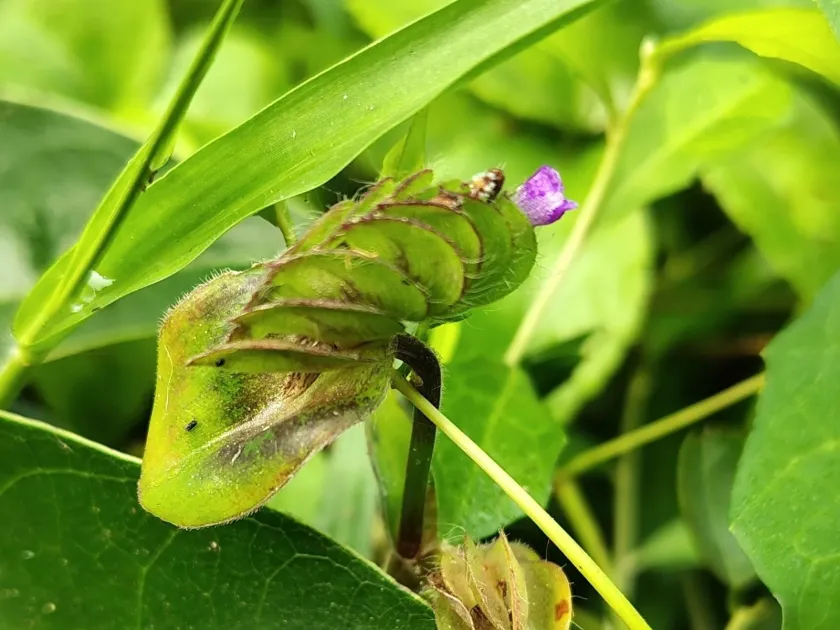
Description
Sowing dates
Cyanotis cristata belongs to the Commelinaceae family, characterized by its rapid growth habit in favorable tropical and subtropical environments.
The sowing process is typically initiated at the onset of the wet season, ensuring that the soil maintains high moisture levels necessary for germination.
Farmers often utilize high-quality seeds or stem cuttings, which are planted in well-prepared beds to ensure deep root establishment during the early growth stage.
Spacing is a critical factor for productivity, and maintaining a distance of at least 20 cm between rows allows for adequate airflow and plant development.
In indoor cultivation systems, controlled environmental conditions allow for year-round planting cycles by optimizing light intensity and relative humidity.
Growing requirements
This crop thrives in warm climates where temperatures remain consistently between 22°C and 30°C, as the plant is highly sensitive to cold stress.
Soil requirements include well-draining, nutrient-rich substrates, preferably with a slightly acidic to neutral pH level for optimal nutrient uptake.
The plant requires filtered sunlight to maximize photosynthetic activity while avoiding the harsh midday sun that can lead to leaf scorch and dehydration.
Consistent water availability is essential; irrigation systems should be adjusted to keep the soil moist but never waterlogged to prevent root decay.
Nutrient management involves the balanced application of nitrogen, phosphorus, and potassium, supplemented by micronutrients during the peak vegetative stage.
Yield
Yield performance of Cyanotis cristata is largely dependent on soil fertility and the frequency of harvesting cycles implemented throughout the growing season.
Under optimal conditions, the plant displays a vigorous growth rate, allowing for multiple harvests of green biomass within a single annual cycle.
Proper management of canopy density is vital to maximize the total biomass yield per hectare and ensure the quality of the harvested material.
Studies indicate that moderate supplemental fertilization significantly increases fresh weight yields by accelerating leaf formation and stem elongation.
The final yield quality is maintained by ensuring that post-harvest handling is conducted swiftly to prevent loss of moisture and nutritional value.
Main diseases and pests
The main threats to Cyanotis cristata cultivation involve fungal infections, specifically those favored by poor ventilation and high humidity.
Common insect pests include spider mites and aphids, which feed on the sap of the foliage, potentially leading to stunted plant growth.
Integrated pest management strategies are recommended, focusing on early detection and the use of eco-friendly biological control agents.
Regular monitoring of field conditions allows farmers to intervene before minor infestations escalate into widespread economic damage.
Crop rotation practices should be strictly observed to minimize the buildup of soil-borne pathogens in the production area.