
Cyanotis angusta
Cyanotis angusta
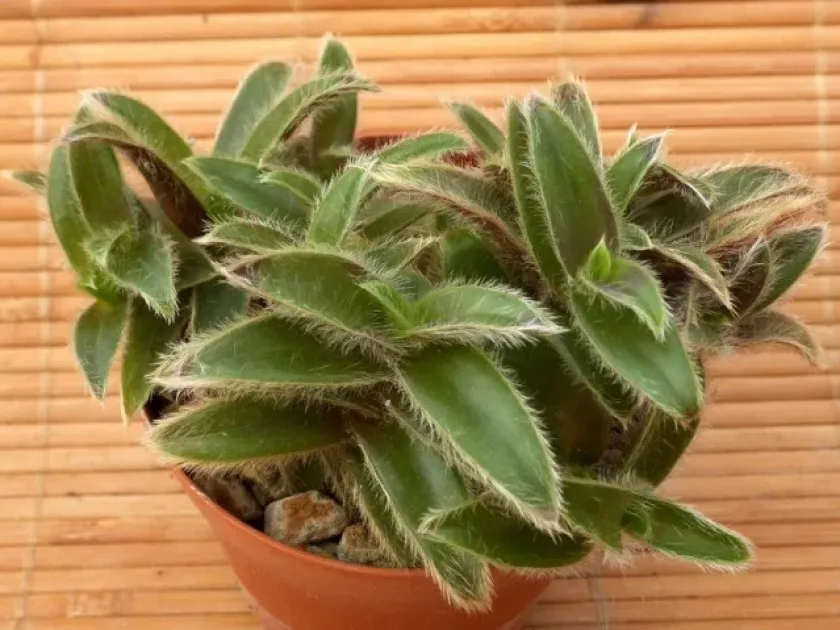
Description
Growing requirements
Cyanotis angusta is a herbaceous perennial plant belonging to the Commelinaceae family. Native to tropical and subtropical regions, this species is well-known for its succulent-like properties, allowing it to adapt to varying moisture levels while maintaining a vibrant appearance in diverse environments.
The botanical structure consists of narrow, elongated leaves that grow from a basal rosette, with stems that often trail along the ground. This growth habit makes it an ideal candidate for ground cover applications or container gardening where cascading foliage is desired by agricultural and decorative standards.
The plant thrives in well-drained, sandy-loam soils with a neutral pH. Proper soil composition is critical for long-term health; the substrate must allow for rapid drainage to prevent water accumulation near the root crown, which is the primary cause of physiological stress in this species.
Climatic requirements focus on maintaining stable warm temperatures, preferably between 18°C and 26°C. While the plant can tolerate short periods of dryness due to its adapted tissues, it prefers consistent hydration during the active growing season to ensure optimal vegetative expansion.
Regular maintenance involves light pruning to encourage bushiness and the removal of dead foliage to prevent the accumulation of organic debris. Fertilization should be performed sparingly using a balanced liquid feed, avoiding high concentrations of nitrogen to prevent excessive, weak stem elongation.
Main diseases and pests
The most common threats to Cyanotis angusta health include root rot and fungal wilt, triggered primarily by overwatering or poor drainage. Effective management requires soil sterilization prior to planting and strict adherence to a dry-cycle regimen between waterings.
Pest management focuses on monitoring for spider mites, especially in low-humidity conditions. Using neem oil or specific miticides during the early stages of infestation is highly recommended to protect the integrity of the foliage and ensure high plant productivity.