
Commelina longifolia
Commelina longifolia
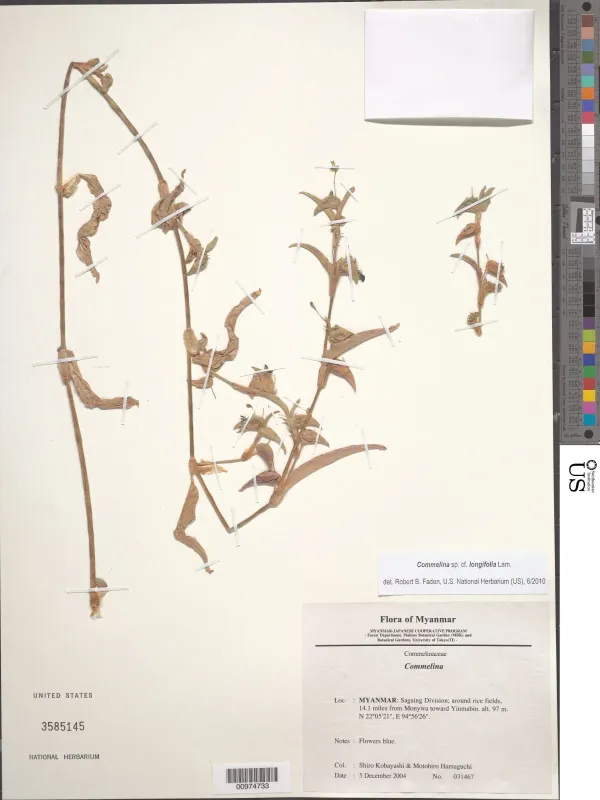
Description
Sowing dates
Commelina longifolia requires warm temperatures for successful establishment. In regions with distinct seasons, sowing should be conducted only after the soil has warmed up thoroughly in the late spring.
Using a greenhouse or indoor seed starting method is highly recommended to extend the growing season. Seeds should be sown in early spring in well-draining soil, ensuring consistent moisture levels for germination.
Seed depth should be minimal, as the seeds need light to germinate efficiently. Placing them just beneath the surface of the growing medium is standard practice in agricultural operations.
When transplanting seedlings, it is vital to avoid root damage. Acclimatizing the plants to outdoor conditions over several days is a necessary step before final planting in the field.
Proper spacing is crucial to prevent competition. Maintaining a distance of approximately 30 centimeters between plants ensures optimal air circulation and access to light for each individual crop.
Growing requirements
As a member of the Commelinaceae family, this species thrives in environments with high humidity. It is essential to ensure a consistent water supply during the entire vegetative phase to promote lush growth.
The plant prefers fertile, well-draining soils with high organic matter content. Loamy soils are generally considered the best for meeting its moisture-retention needs while allowing excess water to drain away.
Commelina longifolia performs best in full sun, although it can tolerate partial shade in hotter climates. Adequate exposure to sunlight is a primary requirement for triggering the flowering mechanism.
Regular fertilization with a balanced NPK fertilizer supports vegetative development and flower production. It is advised to apply fertilizers twice during the season for maximum yield performance.
- Regular weeding to reduce competition for nutrients.
- Mulching the soil to manage temperature fluctuations.
- Consistent irrigation during dry periods.
Yield
The yield of Commelina longifolia is typically measured by its biomass production and, in decorative contexts, by the quality and quantity of its blooms throughout the season.
Strategic harvesting of the aerial parts is best performed during the peak flowering stage. This timing ensures the highest concentration of phytochemicals, which is essential if the crop is intended for medicinal use.
In ornamental horticulture, maximizing the yield involves regular deadheading. This practice redirects the plant's energy from seed production back into producing more vibrant flowers.
Seeds should be collected as soon as the capsules mature to ensure high germination rates for future seasons. Harvesting should be performed on a dry day to prevent mold during storage.
Overall management of crop yield requires diligent monitoring for signs of stress. Proper field maintenance throughout the growth cycle results in significantly healthier and more productive plants.
Main diseases and pests
Gastropods, such as slugs and snails, are the most frequent pests. They are particularly attracted to the plant's succulent tissues and can quickly reduce the yield if left unchecked.
Fungal issues, particularly powdery mildew, can appear when air circulation is poor or humidity remains constantly high. Preventive measures include maintaining appropriate plant spacing and avoiding overhead watering.
Aphids can occasionally infest the growing tips during the summer months. Using insecticidal soaps or natural neem-based remedies is a common practice for controlling these populations effectively.
Root rot is a major threat linked to poor soil drainage and waterlogging. Ensuring the soil structure remains loose and aerated is the most effective prevention strategy for this disease.
Crop rotation remains a fundamental agricultural practice for Commelina. Avoiding replanting in the same spot for consecutive years helps to break the life cycle of soil-borne pathogens.