
Commelina ensifolia
Commelina ensifolia
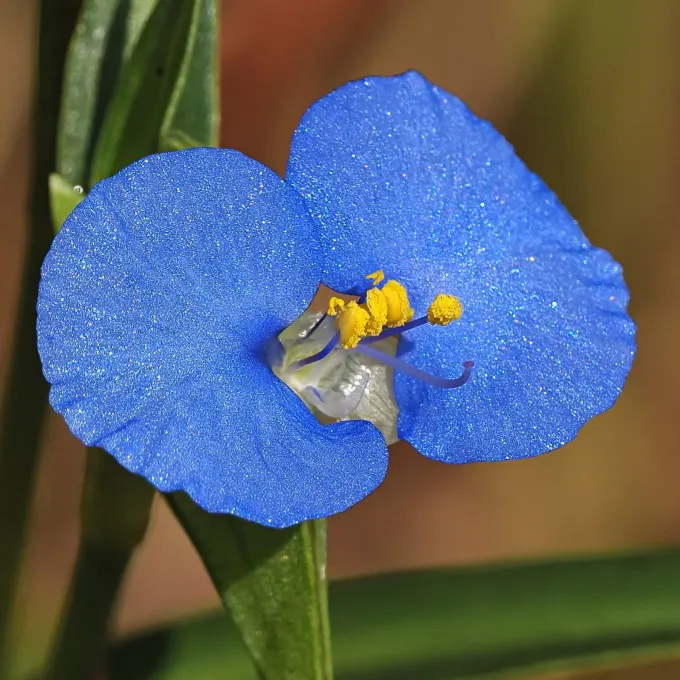
Description
Growing requirements
Commelina ensifolia is a perennial herbaceous plant belonging to the Commelinaceae family. It is naturally distributed throughout the tropical and subtropical regions of Asia and Australia, where it thrives in humid environments.
The plant prefers fertile, well-draining loamy soils with a pH ranging from neutral to slightly acidic. Providing consistent moisture is crucial for the healthy development of this species, as it is highly susceptible to drought stress.
As a heat-loving crop, Commelina ensifolia requires stable temperatures between +20 and +28 degrees Celsius. Growth is significantly retarded at temperatures below +10 degrees, and the plant cannot survive frost conditions.
This species flourishes under bright, indirect sunlight. Direct noon sun can often scorch the delicate leaves, so providing partial shade or diffused lighting is recommended for optimal plant health and color retention.
Agronomic maintenance includes regular watering and the application of balanced nitrogen-rich fertilizers during the active growing season. Maintaining good soil drainage is essential to prevent root asphyxiation and promote vigorous growth.
Yield
The agricultural and economic utility of Commelina ensifolia is primarily linked to its medicinal properties and its role in tropical landscaping. Its tissues contain bioactive compounds often utilized in traditional remedies.
Harvesting the green matter is typically conducted during the flowering phase, which ensures the highest concentration of phytochemicals in the leaves and stems. Regular trimming encourages lateral branching, increasing total yield.
The plant's regenerative capabilities allow for multiple harvests per year under controlled environmental conditions. By managing the cutting frequency and nutrient input, growers can optimize the biomass production cycle.
Beyond its medicinal use, the species is valued as a groundcover that effectively protects soil from erosion. Its ability to create dense, spreading mats helps maintain soil humidity, which is beneficial in mixed-cropping systems.
In greenhouse settings, yield predictability is enhanced by regulating ambient temperature and lighting. Providing the correct balance of inputs ensures that the foliage remains lush and meets quality standards for trade.
Main diseases and pests
Aphids and spider mites are the most common pests that affect Commelina ensifolia, particularly in environments with low humidity. Periodic misting and keeping the plant well-hydrated act as effective deterrents against these pests.
Fungal infections, such as root rot and leaf spot, frequently occur in conditions of excessive soil moisture and poor ventilation. Ensuring proper airflow and not over-watering are key to preventing these diseases.
Slugs and snails can cause significant damage to young succulent shoots. In high-humidity areas, placing physical barriers or using ecological deterrents is necessary to protect the plant from nocturnal mollusk activity.
Viral diseases, although less common, may present as leaf chlorosis or deformation. Strict monitoring of the crop and the removal of any symptomatic plants are necessary to keep the entire plantation healthy.
Effective weed management and maintaining clean cultivation practices are essential to reduce the risk of secondary infections. Proactive monitoring helps identify potential threats before they impact the overall crop yield.