
Commelina auriculata
Commelina auriculata
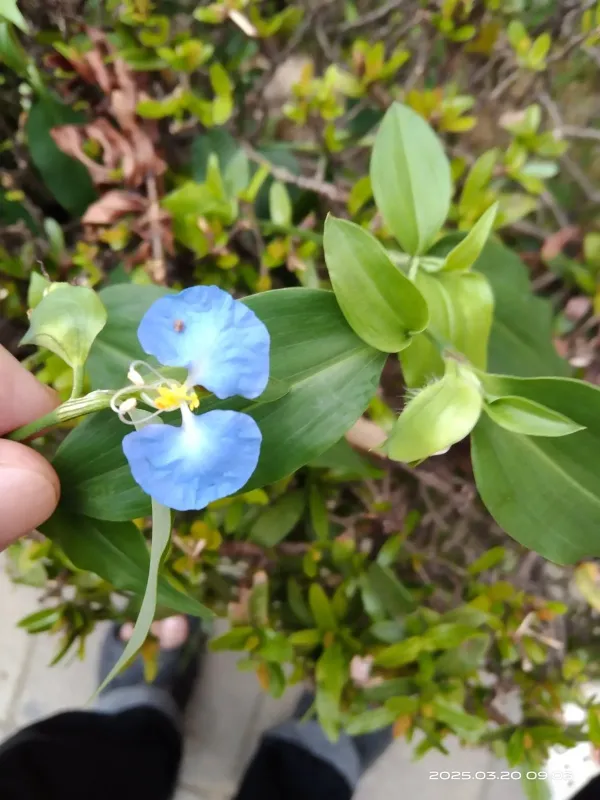
Description
Sowing dates
Sowing Commelina auriculata should be performed once the soil has consistently warmed up, ensuring the danger of spring frost has completely passed.
For optimal germination, the seeds should be placed in well-prepared, fine-textured soil at a depth of approximately 1 to 2 centimeters.
Early June is typically considered the best time for direct seeding in temperate climates, providing the plants with ample light for initial growth.
When cultivating on a larger scale, maintaining proper row spacing is crucial to allow for mechanical weeding and adequate air circulation between plants.
For areas with shorter growing seasons, starting plants in a greenhouse or cold frame allows for a head start before transplanting into the open field.
Growing requirements
As a member of the Commelinaceae family, this crop thrives in environments with high humidity and fertile, well-drained soil rich in organic matter.
The plant performs best in neutral to slightly acidic soil conditions and requires consistent moisture levels to prevent the wilting of its succulent stems.
While the plant requires abundant sunlight for maximum development, partial shade during the hottest afternoon hours helps maintain better leaf quality.
Temperatures ranging from 22 to 28 degrees Celsius are ideal for promoting active growth and maximizing the volume of green biomass produced.
Regular fertilization with nitrogen-based supplements is recommended throughout the season to maintain vigorous vegetative growth and structural integrity.
Yield
Commelina auriculata is primarily valued in certain regions for its rapid biomass production, which can serve as a supplemental forage source.
The plant exhibits high regenerative potential, meaning multiple harvests can be achieved within a single season with proper care and nutrient supply.
Maximum yields are typically observed when soil moisture is strictly controlled through irrigation, preventing the plant from going into dormancy.
The nutritional profile of the harvested biomass makes it a potentially useful component in feed rations, provided that weed contamination is minimized.
Strategic management of harvest timing ensures the highest concentration of beneficial nutrients, significantly increasing the overall utility of the crop.
Main diseases and pests
Slugs and snails are the most significant pests for this crop, often causing extensive damage to tender leaves during periods of high humidity.
Aphids can colonize the growing tips of the plants, leading to stunted development and the potential spread of viral infections if left untreated.
Fungal issues such as leaf spot can occur in poorly ventilated areas where moisture remains on the foliage for extended periods after rain or irrigation.
Implementing cultural control methods, such as proper spacing and removal of crop debris, is the first line of defense against these biological threats.
The use of sustainable pest management techniques is preferred to keep the biomass safe for potential subsequent use as livestock fodder.
Harvesting
Harvesting should ideally occur at the onset of the mass flowering stage, when the nutrient profile of the plant reaches its peak levels.
The best time of day for harvesting is early morning, as this helps preserve the turgor and moisture content of the harvested plant material.
Once harvested, the biomass should be processed or utilized immediately to prevent rapid wilting and the loss of essential plant nutrients.
If harvesting for seed production, one must wait until the capsules turn brown before carefully collecting and drying them in a well-ventilated area.
After the final harvest, clearing the field of remaining debris helps reduce the risk of overwintering pathogens or pests for the next growing season.