
Commelina attenuata
Commelina attenuata
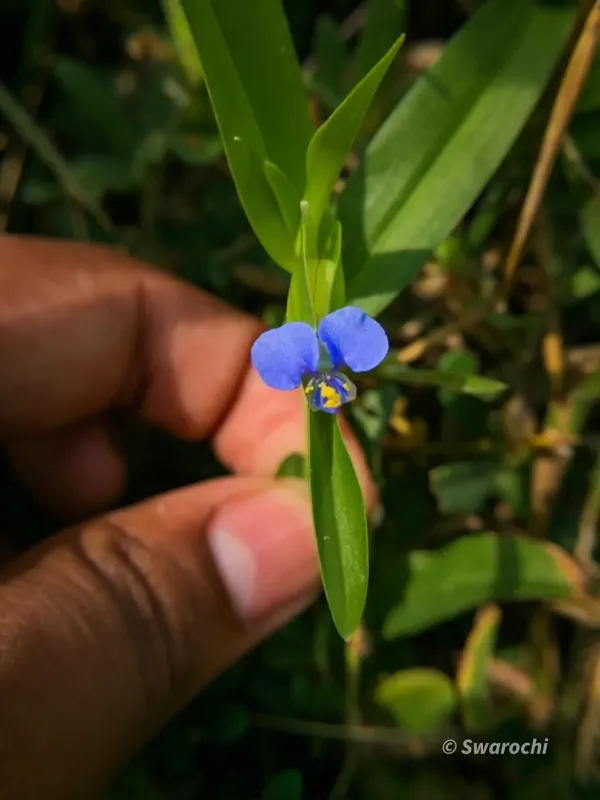
Description
Growing requirements
Commelina attenuata belongs to the Commelinaceae family, a group of plants known for their succulent growth habits. It is a perennial herbaceous plant native to tropical and subtropical regions, typically found in moist, shaded environments.
The plant is characterized by creeping stems that easily root at the nodes when in contact with damp soil. Its leaves are lanceolate and attenuate, possessing a bright green color and a relatively tender texture that thrives in high-humidity habitats.
This crop requires consistent warmth to maintain growth, with an ideal temperature range between 20°C and 28°C. It is highly sensitive to frost, making it suitable only for year-round warm climates or controlled greenhouse environments.
Soil requirements for optimal yield include high organic matter content and excellent drainage. A slightly acidic to neutral pH is preferred to ensure proper nutrient uptake, specifically nitrogen and potassium, which drive foliage development.
Water management is critical, as the plant demands constant moisture but suffers from root asphyxiation if the soil becomes waterlogged. Drip irrigation systems are recommended to maintain the balance between soil hydration and oxygen levels.
Main diseases and pests
Fungal pathogens such as Rhizoctonia and Pythium are the most significant threats to Commelina attenuata. These issues often arise from high soil moisture levels combined with poor drainage, which stresses the root system.
Pests, particularly aphids and various mollusks, frequently target the succulent foliage. Integrated pest management (IPM) strategies, including biological control agents and localized application of pesticides, are necessary to maintain plant health.