
Commelina albescens
Commelina albescens
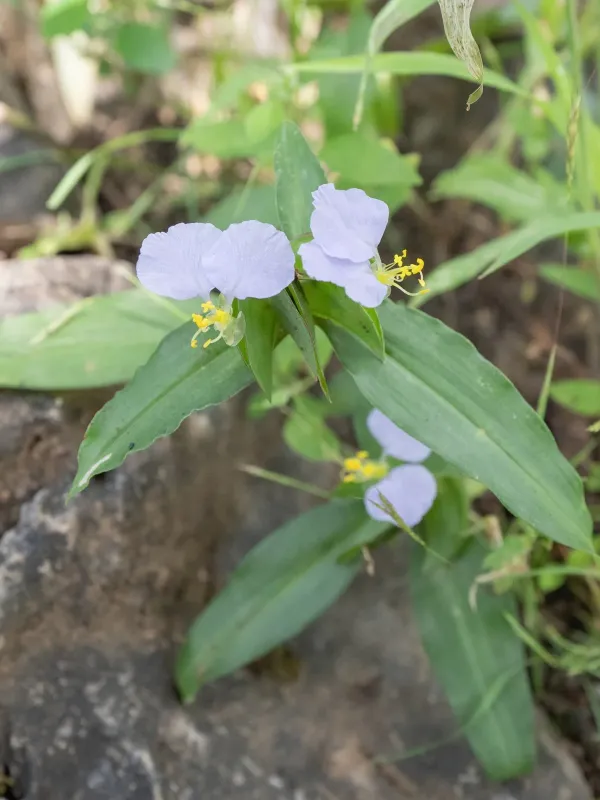
Description
Growing requirements
Commelina albescens is a perennial herbaceous plant belonging to the Commelinaceae family. In agricultural contexts, this species is noted for its remarkable hardiness and ability to thrive in arid and semi-arid environments where water resources are severely limited.
Originating from the dry regions of Africa, this plant has developed specific physiological adaptations to withstand extreme temperatures and long-term droughts. Its survival strategy makes it an interesting subject for studies on climate-resilient agriculture.
The plant prefers sandy or loamy soils with excellent drainage capabilities. It is highly sensitive to waterlogging, as the fleshy stems are prone to rot if the soil remains saturated for extended periods, making site selection crucial.
Botanically, Commelina albescens features succulent-like stems and narrow leaves that optimize water retention. This morphological trait allows the plant to continue its growth cycle even during the peak of the dry season when other forage crops have already withered.
In terms of agricultural utility, it serves as a valuable ground cover and a potential forage source in challenging environments, assisting in soil stabilization and preventing wind erosion in fragile ecosystems.
Main diseases and pests
The plant is susceptible to various fungal leaf spot diseases, which generally occur when humidity levels exceed the plant's tolerance threshold. Ensuring adequate air circulation is essential for mitigating these risks.
Pest pressures primarily come from orthopterans and various caterpillars that feed on the succulent leaves. In some areas, these insects can cause significant reduction in biomass if not monitored regularly.
Sucking insects, such as aphids, can also colonize the plants during favorable growth periods, leading to stunted development and reduced vigor of the foliage.
Effective management involves maintaining healthy crop density and preventing the accumulation of debris that might harbor pathogens or overwintering pests.
Regular field inspection is recommended to identify early signs of infestation, allowing for localized control measures that preserve the overall health of the agricultural site.