
Disocactus ackermannii
Disocactus ackermannii (Haw.) Ralf Bauer
Description
Growing requirements
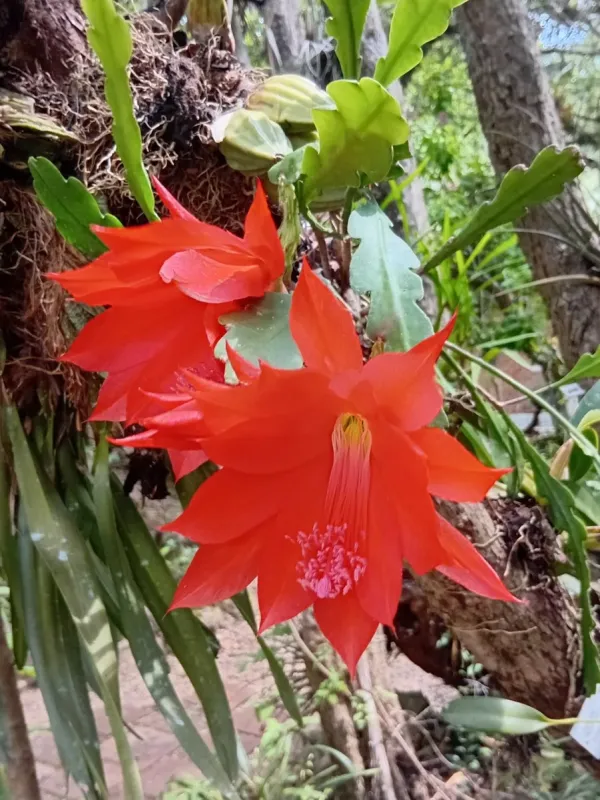
Disocactus ackermannii is a striking epiphytic cactus belonging to the Cactaceae family, native to the tropical forests of Mexico. This species is highly valued in horticulture for its spectacular, large, funnel-shaped crimson flowers that bloom along its flattened, leaf-like stems.
For optimal growth, this plant requires bright, filtered light. Direct sunlight, especially during peak summer hours, should be avoided as it can scorch the delicate stems. Maintaining temperatures between +20 °C and +25 °C during the growing season is essential for healthy development.
The growing medium must be highly porous and well-draining, mimicking the natural environment of an epiphyte. A mix consisting of peat, leaf mold, coarse perlite, and shredded pine bark creates the ideal structure for healthy root respiration.
Watering practices should be consistent during the spring and summer, allowing the top layer of the substrate to dry out between sessions. Overwatering is the most common cause of failure, as it leads to root asphyxiation and eventual plant decline.
During the winter rest period, the plant needs cooler temperatures around +12...+15 °C and significantly reduced watering. This cooling cycle is critical for successful flower bud initiation in the following season, ensuring a display of prolific blooms.
Main diseases and pests
The primary pests affecting Disocactus ackermannii are spider mites and mealybugs, which thrive in dry indoor environments. Regular inspection of the stem margins is necessary to detect early infestations before they spread to the entire plant.
Fungal diseases, including stem rot and root rot, are frequent issues caused by poor air circulation and excessive substrate moisture. If signs of rot appear, it is imperative to prune affected areas and treat the plant with appropriate systemic fungicides.
Etiolation, or stretching of the stems, occurs if the light intensity is insufficient. This results in weak, thin growth that lacks the necessary structure to support large flowers and makes the plant more susceptible to opportunistic pathogens.
Mealybugs can be managed using isopropyl alcohol swabs for small populations or specialized horticultural soaps for larger outbreaks. Consistent maintenance of humidity levels helps prevent the proliferation of spider mites.
Proactive care involves ensuring proper drainage and keeping the growing area ventilated. By adhering to strict hygienic standards and avoiding water stagnation, cultivators can effectively mitigate most biological threats.