
Tillandsia zecheri
Tillandsia zecheri
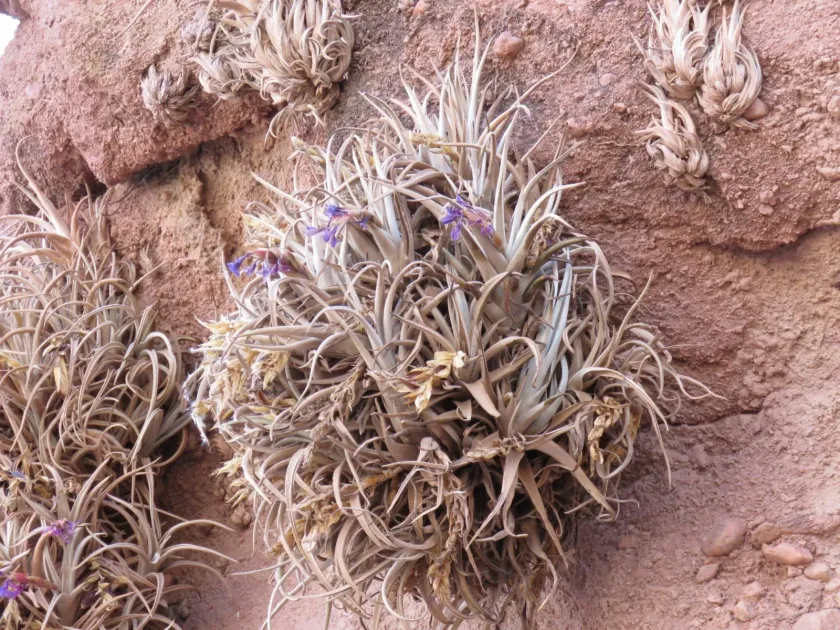
Description
Growing requirements
Tillandsia zecheri is a remarkable epiphytic species belonging to the Bromeliaceae family. Native to the high-altitude, arid regions of Argentina, this plant has adapted to survive by absorbing moisture and nutrients through specialized trichomes located on its leaf surface.
The plant grows in a compact rosette form with beautiful silvery-grey foliage. In cultivation, it does not require soil or traditional pots, making it ideal for vertical gardens, terrariums, or mounting on decorative driftwood and porous stones.
Light requirements for this species are specific: it thrives in bright, indirect sunlight. Exposure to harsh afternoon sun can lead to leaf scorching, while insufficient light levels cause the plant to lose its characteristic silver sheen and become etiolated.
For temperature, Tillandsia zecheri prefers a range between 18°C and 25°C. A natural drop in temperature at night is beneficial, as it simulates the plant's native highland environment and promotes healthy respiration and bloom development.
Humidity management is the cornerstone of its care. Since the plant lacks roots for terrestrial nutrient uptake, it should be misted with soft, room-temperature water or soaked once a week. Proper airflow immediately after hydration is essential to prevent moisture accumulation.
Main diseases and pests
The primary physiological threat to Tillandsia zecheri is crown rot, caused by trapped water remaining in the leaf axils for extended periods. This results in fungal decomposition of the plant's central tissues, which is often fatal if not caught early.
Scale insects represent a significant biological threat to this species. They hide firmly at the base of the leaves, drawing sap and weakening the plant, which often leaves the foliage prone to further opportunistic bacterial infections.
Mealybugs can also infest the plant, residing deep within the tight rosette. Their presence is marked by white, waxy secretions that cover the insects, making them difficult to eradicate without physical removal and repeated insecticidal treatment.
Spider mites are another common pest, thriving in dry, poorly ventilated conditions. They damage the foliage by piercing the surface cells, which leads to fine webbing and yellowish spots on the once-vibrant silver leaves.
To maintain a healthy collection, always ensure that the plant dries completely within four hours after watering. Regular inspection, combined with good air circulation, provides the best defense against both common pests and pervasive fungal diseases.