
Tillandsia virescens
Tillandsia virescens
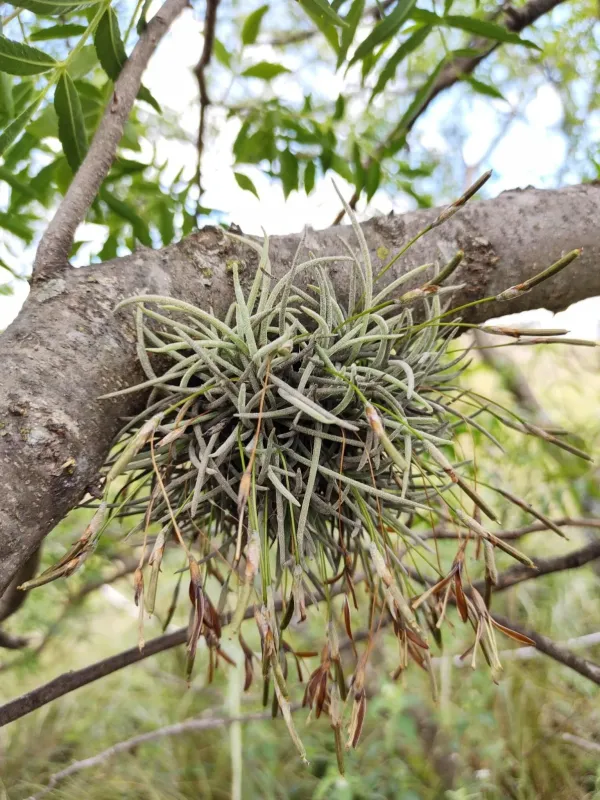
Description
Growing requirements
Tillandsia virescens is a perennial epiphytic species belonging to the Bromeliaceae family. Native to the high-altitude regions of South America, specifically Argentina and Bolivia, this plant has evolved to thrive in harsh, exposed rocky environments.
The plant grows in a tight, compact rosette consisting of stiff, narrow leaves covered in specialized silver scales known as trichomes. These structures are essential for the plant's survival, as they function as primary organs for absorbing moisture and nutrients directly from the atmosphere.
In terms of cultivation, this species requires bright, indirect light to maintain its structural integrity and health. It is highly sensitive to the intensity of sunlight; prolonged exposure to direct rays can desiccate the tissues and cause irreparable leaf burn.
Good air circulation is a critical requirement for this culture. Because the plant lacks traditional roots for nutrient uptake, stagnant air around the foliage often leads to fungal outbreaks, making consistent ventilation a priority for any grower.
Watering should be performed by misting or brief immersion in soft, low-mineral water. The key to successful watering is ensuring the plant dries out completely within a few hours, as prolonged moisture in the leaf axils can trigger crown rot.
Main diseases and pests
The most common pests affecting Tillandsia virescens include mealybugs and scale insects, which often hide within the dense crevices of the rosette. Monitoring these hidden zones is vital, as early detection prevents the infestation from spreading to the plant's core.
Pathogenic fungi typically manifest when the plant remains damp for too long or when airflow is insufficient. Maintaining a dry, well-ventilated environment and using clean, salt-free water are the primary defenses against these biological threats.