
Tillandsia tortilis
Tillandsia tortilis
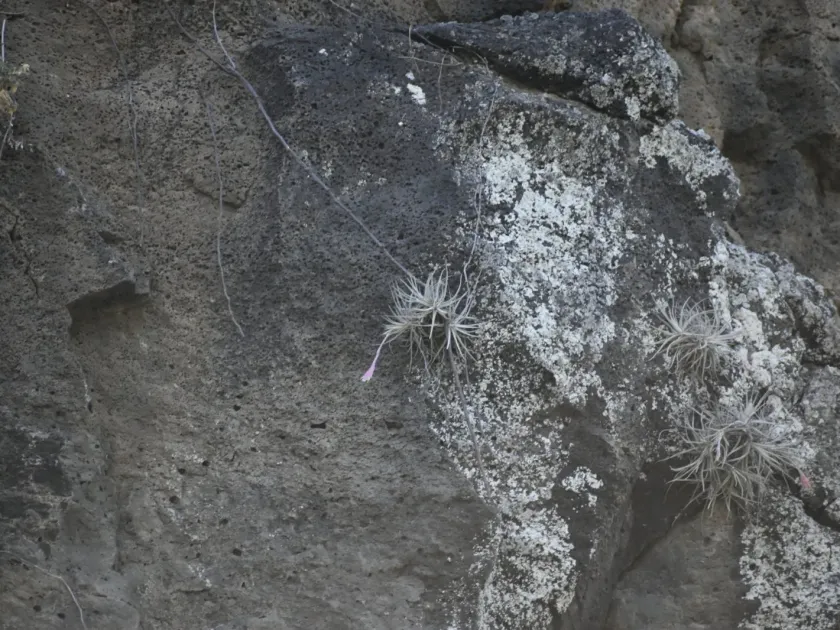
Description
Growing requirements
Tillandsia tortilis is a member of the Bromeliaceae family. This fascinating species is classified as an epiphyte, meaning it naturally grows on trees or rocky surfaces rather than in the ground, deriving moisture and nutrients directly from the air.
The plant requires high humidity levels, ideally maintained between 60% and 75%. Proper air circulation is just as critical as moisture to ensure that the plant dries out between waterings, preventing stagnant conditions that lead to decay.
Temperature requirements for this species are consistent with tropical conditions, favoring a range of 18°C to 26°C. It is essential to avoid extreme temperature drops, which can stress the plant and make it susceptible to various physiological disorders.
Lighting is a fundamental aspect of its cultivation. Tillandsia tortilis prefers bright, indirect sunlight throughout the day. Direct exposure to intense midday sun is harmful and can result in scorched leaves and damaged plant tissue.
When cultivating this plant, specialized mounting techniques are employed. Using organic materials like cork bark, wood slabs, or grapevine allows the plant to anchor itself securely without the need for traditional potting soil.
Main diseases and pests
Common pests that may affect Tillandsia tortilis include mealybugs and scale insects. These organisms can hide deep within the leaf axils, making them difficult to detect until they have caused significant damage to the plant structure.
Fungal infections are a significant threat, usually caused by improper watering techniques. Specifically, water lingering in the center of the rosette for too long can lead to crown rot, which is often fatal if not treated promptly.
To manage pest infestations, growers often use diluted insecticidal soaps or neem oil solutions. It is imperative to perform a test application on a small part of the plant to ensure the solution does not cause phytotoxicity.
Preventative care is highly recommended, involving the inspection of the leaf bases and surfaces regularly. Ensuring that the foliage is dry before nightfall significantly reduces the risk of fungal and bacterial outbreaks.
Maintaining high hygiene standards in the growing area is necessary. By removing dead leaves and keeping the environment well-ventilated, the risk of disease and pest accumulation is minimized throughout the entire life cycle of the plant.