
Tillandsia simulata
Tillandsia simulata
Description
Growing requirements
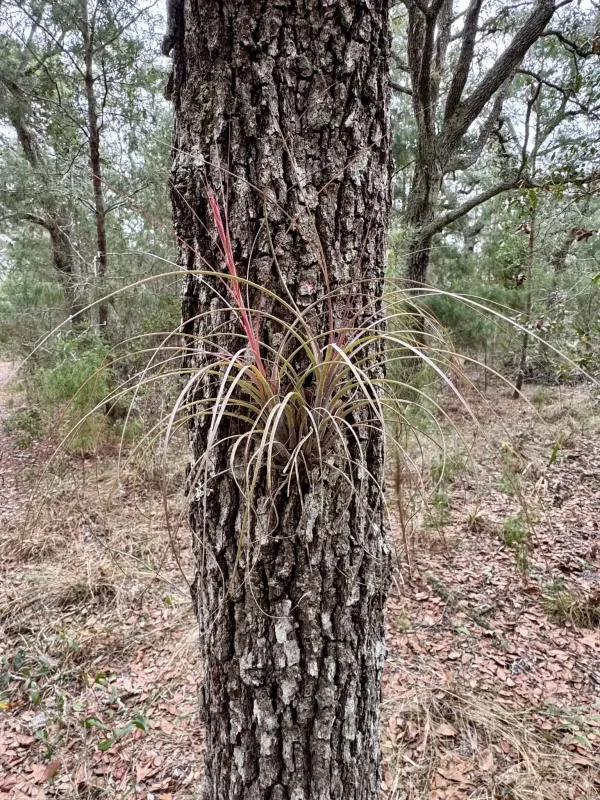
Tillandsia simulata is a distinct species within the Bromeliad (Bromeliaceae) family, characterized by its epiphytic growth habit. As an air plant, it does not require soil to thrive, instead drawing water and nutrients through its specialized foliage.
Native primarily to Florida in the United States, this species has evolved in humid, coastal environments. It typically inhabits the branches of cypress trees and other woody hosts, benefiting from the moisture-rich atmosphere and steady air circulation.
The agronomic management of Tillandsia simulata requires careful replication of its native microclimate. Optimal growth is achieved in bright, indirect light, which ensures the health of the trichomes—the silver, scale-like structures on the leaves that facilitate nutrient absorption.
Climate control is essential for long-term survival. The plants perform best at temperatures between 18°C and 28°C, with high relative humidity. It is crucial to maintain a balance between moisture intake and the evaporation rate to ensure the core of the plant does not stay damp for extended periods.
For mounting, growers often use bark, driftwood, or cork, as these materials allow the plant to securely attach its roots. This method provides the necessary aeration that prevents rot, which is the most significant hurdle in the indoor cultivation of this species.
Main diseases and pests
The primary threats to Tillandsia simulata are fungal and bacterial infections caused by poor drainage or inadequate air movement. When moisture is trapped within the leaf axils, it creates an anaerobic environment favorable for pathogens that destroy the plant from the center.
Mealybugs are the most persistent pest for this species. They often settle deep within the center of the rosette, making them difficult to detect and treat. Regular inspection of the plant base is vital to prevent infestations from compromising the plant's health.
Scale insects can also infest the leaves, feeding on the sap and weakening the plant. These pests can be managed by manual removal with cotton swabs dipped in diluted rubbing alcohol, followed by careful monitoring to ensure complete eradication.
Spider mites are another common issue, especially in environments where humidity levels fluctuate. They thrive in dry air, causing stippling and yellowing of the foliage, which can eventually lead to tissue death if not addressed promptly.
Effective pest management relies on preventative cultural practices rather than heavy reliance on chemical pesticides. Ensuring good hygiene, quarantining new specimens, and maintaining optimal airflow will drastically reduce the likelihood of pest outbreaks and systemic disease.