
Tillandsia setiformis
Tillandsia setiformis
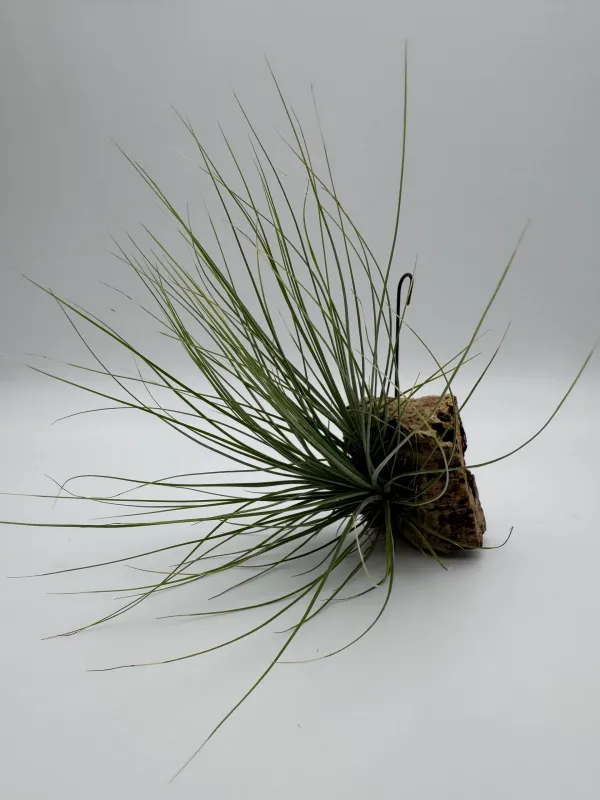
Description
Growing requirements
Tillandsia setiformis is a distinctive species belonging to the Bromeliaceae family, widely recognized for its epiphytic lifestyle. Native to the tropical regions of the Americas, this plant thrives in environments where it can absorb moisture and nutrients directly from the air through microscopic scales called trichomes covering its foliage.
Botanically, the plant is characterized by its narrow, bristle-like leaves that form a dense, symmetrical rosette. The leaf structure is perfectly adapted to minimize water loss and maximize surface area for moisture collection, showcasing an impressive evolutionary adaptation to high-canopy habitats.
Successful cultivation requires a stable microclimate, specifically focusing on humidity levels and light exposure. These plants thrive in bright, filtered light; excessive direct sunlight can easily desiccate the foliage, while insufficient light leads to stunted development and weak growth patterns.
The irrigation of Tillandsia setiformis should be performed through regular misting or periodic immersion in soft, room-temperature water. After watering, it is crucial to ensure that the plant dries within a few hours to prevent stagnant water from causing tissue damage at the core of the rosette.
Agrotechnical management involves mounting the plants onto bark, driftwood, or other inert materials. Since the species does not require soil, the primary goal of the grower is to provide a firm anchorage that allows for excellent air circulation around the entire plant body, which is vital for its long-term health.
Main diseases and pests
The most common pests affecting this culture include mealybugs and spider mites. These insects tend to settle deep within the leaf axils, making early detection difficult; however, regular cleaning and maintaining appropriate environmental humidity serve as effective preventative measures.
Fungal and bacterial infections usually result from poor air circulation and excessive moisture retention within the foliage. If the plant remains wet for too long, particularly in cool conditions, it may develop rot that spreads rapidly, often necessitating the disposal of the infected specimen to protect others.