
Tillandsia secunda
Tillandsia secunda
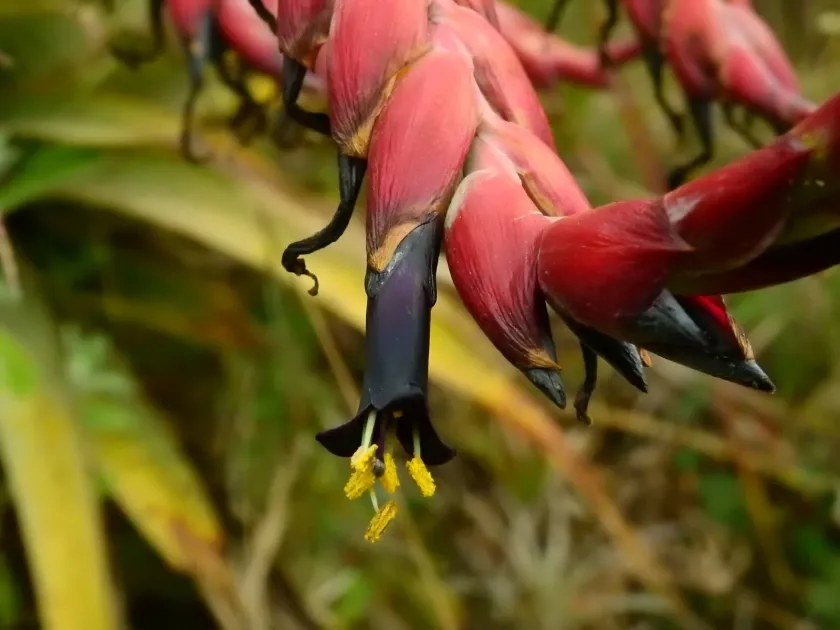
Description
Growing requirements
Tillandsia secunda is a species within the Bromeliaceae family, widely recognized for its unique epiphytic lifestyle. It naturally attaches itself to rock faces or tree branches, thriving in its high-altitude habitat.
The plant originates from the Andean regions of Ecuador, where it is adapted to relatively cool temperatures and high humidity levels. This species is highly valued in botanical collections for its structural form and vibrant inflorescence.
Botanically, it features a rosette of rigid leaves covered with specialized scales known as trichomes. These scales are evolutionary adaptations that allow the plant to absorb moisture and nutrients directly from the air and mist.
Cultivation requires bright, indirect light to maintain health and vigor. It is essential to replicate its natural environment by providing good airflow and significant temperature drops during the night, which supports the plant's metabolic processes.
Agrotechnical management involves regular misting or soaking the plant in distilled or rainwater. Proper drainage is paramount, as the plant cannot tolerate standing water in its central rosette, which quickly leads to tissue decay.
Main diseases and pests
Common pests affecting this species include mealybugs and scale insects. These pests often congregate at the base of the leaves, where they are shielded from direct contact during simple spraying sessions.
Fungal rots are the most frequent health issues in cultivated collections. These usually stem from poor ventilation and excessive moisture trapped within the leaves, requiring immediate drying of the plant crown to prevent collapse.