
Tillandsia reichenbachii
Tillandsia reichenbachii
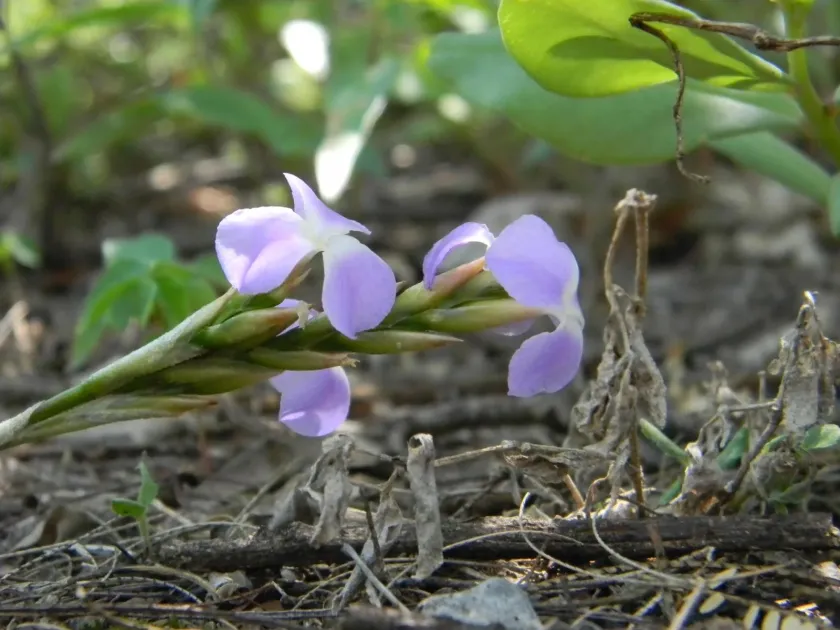
Description
Growing requirements
Tillandsia reichenbachii is a fascinating species belonging to the Bromeliaceae family. Native to South America, specifically the regions of Argentina and Bolivia, this plant thrives as an epiphyte, attaching itself to tree branches and rocky outcrops in various altitudes.
The morphology of the plant is adapted for survival without soil. It features stiff, silver-colored leaves densely covered in trichomes. These specialized scales are essential for capturing moisture and nutrients directly from the air, making it a highly efficient atmospheric plant.
For successful cultivation, the plant requires bright, filtered light. Direct sun exposure can quickly dehydrate the leaves and cause irreversible damage. A location near an east or west-facing window is usually ideal, ensuring the plant receives morning or late afternoon sun.
Temperature management is crucial; the plant prefers a range between 18 and 25 degrees Celsius. It is sensitive to sudden cold drafts and frost, which can cause significant damage to the plant's vascular structure. Consistent temperatures promote healthier growth and flowering.
Watering should be done by misting the entire plant or soaking it in room-temperature water for 15-20 minutes. It is vital to ensure that the plant dries completely within a few hours after watering to mimic its natural environment and prevent tissue degradation.
Main diseases and pests
The primary pests affecting this species are mealybugs and scale insects. These pests often hide deep within the leaf axils, making them difficult to detect until an infestation is well-established. Routine cleaning and inspection are highly recommended.
Rot is the most frequent issue, usually caused by over-misting or water pooling in the base of the rosette. If water remains in the center of the plant for too long, especially in low light or cool conditions, the plant will quickly rot from the inside out.
Spider mites can also become a problem, particularly in environments with very low humidity. If the air becomes too dry for extended periods, mites can proliferate rapidly, leading to yellowing and damaged leaf tissue on the sensitive plant parts.
The accumulation of mineral deposits from tap water is a significant threat. Hard water contains salts that clog the trichomes, effectively choking the plant's ability to absorb moisture. Using rainwater or distilled water is the best practice for long-term health.
Fungal infections can develop if there is a lack of proper airflow. Providing consistent, gentle air circulation around the plant helps prevent moisture stagnation, which is the primary catalyst for various types of mold and leaf-spot diseases common in indoor collections.