
Tillandsia recurvifolia
Tillandsia recurvifolia
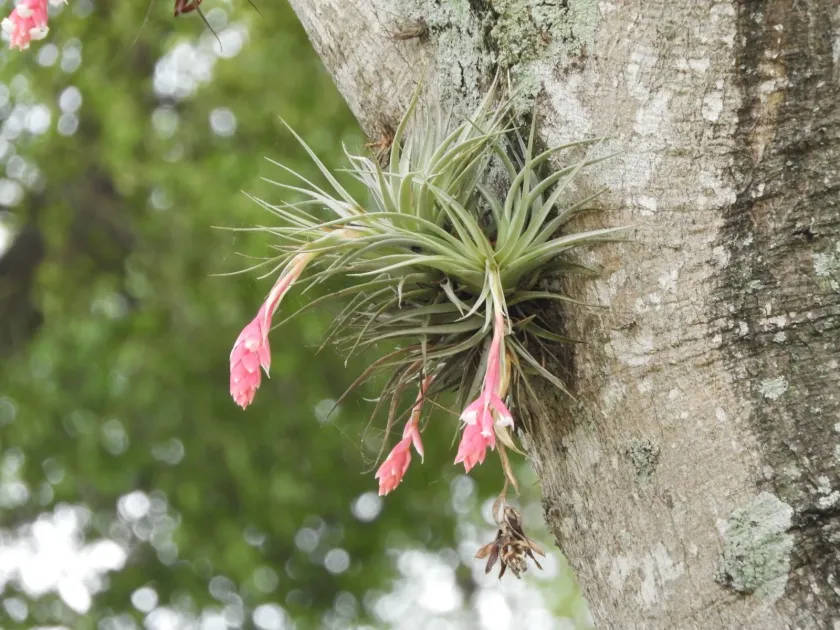
Description
Growing requirements
Tillandsia recurvifolia is a fascinating species of epiphytic plant belonging to the Bromeliad family (Bromeliaceae). Native to the tropical regions of South America, it grows primarily on tree branches and rocks, receiving nutrients from air moisture and dust.
The plant features elegant, curved leaves densely covered with trichomes — specialized silvery scales. These structures act like a sponge, absorbing water and nutrients directly from the humidity in the surrounding environment.
Successful cultivation requires bright, indirect sunlight. While they can tolerate some morning sun, intense midday rays can easily scorch the foliage. Placing them in a spot with good airflow is essential for their long-term health.
Temperatures should generally be kept between 18°C and 26°C. They thrive in environments where humidity levels are above 50%, making them excellent candidates for humid rooms or enclosures like terrariums.
Watering is best performed by misting the entire plant or soaking it in a bowl of room-temperature water for about 20 minutes. After soaking, it is critical to gently shake off excess water and place the plant upside down to prevent water from rotting the core.
Main diseases and pests
The most significant threat to Tillandsia recurvifolia is overwatering, which leads to crown rot. If water sits in the center of the leaf rosette for too long, the tissues will quickly decay, leading to the rapid decline of the plant.
Mealybugs and scale insects are the most common pests for air plants. They typically hide in the tight spaces between leaves, making them difficult to detect until the plant starts to show signs of yellowing or stunted growth.
If an infestation is spotted, it is advisable to use a mild insecticidal soap or carefully remove the pests with a soft brush soaked in diluted alcohol. Strong chemicals should be avoided to prevent damaging the sensitive trichomes.
Lack of proper air circulation often leads to fungal infections, characterized by dark, mushy spots on the leaves. These infections spread quickly in high-humidity, low-airflow conditions, so constant ventilation is a key preventative measure.
Poor water quality can also be a hidden threat. Hard tap water with high mineral content can clog the trichomes, preventing the plant from breathing and feeding efficiently. Using rainwater or distilled water is the best practice for optimal health.