
Tillandsia polystachia
Tillandsia polystachia
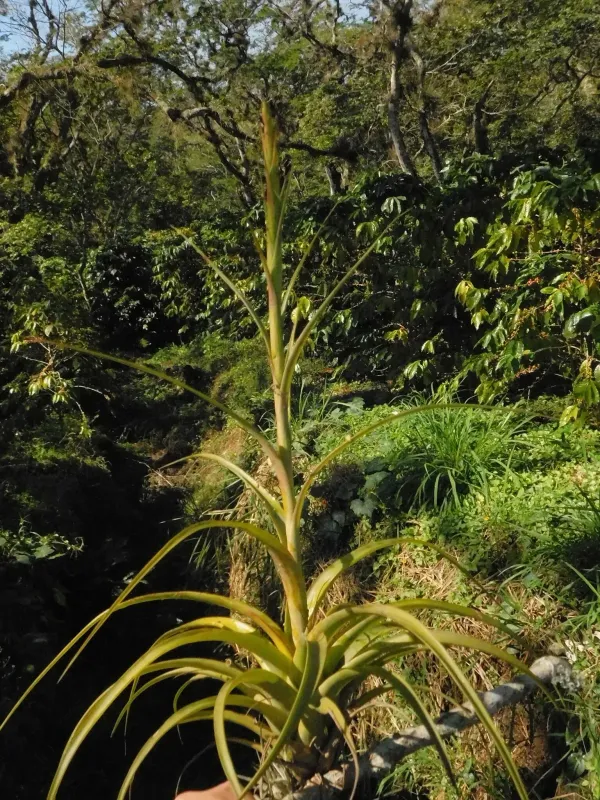
Description
Growing requirements
Tillandsia polystachia is a perennial herbaceous species belonging to the Bromeliaceae family. In its natural habitat, it functions as an epiphyte, attaching itself to tree branches and canopy structures in tropical environments.
The native range of this species extends from Mexico, through Central America, down to northern South America and the Caribbean islands. It thrives in high-humidity climates where temperatures remain consistently warm throughout the growing season.
Agrotechnical requirements demand maintaining humidity levels between 60% and 80%, with temperatures ranging from 20 to 28 degrees Celsius. Proper ventilation is essential, as stagnant air significantly increases the risk of physiological stress and pathogen development.
Unlike conventional agricultural crops, this species does not grow in standard soil. It is typically mounted on substrates such as cork bark or driftwood, which provide the necessary anchorage and allow for root respiration while the leaves absorb nutrients from the atmosphere.
The primary agricultural and economic use of Tillandsia polystachia is within the horticultural and ornamental plant industry. Collectors and landscapers utilize the plant for its architectural structure and its distinctive, elongated, multi-spike inflorescence.
Main diseases and pests
Common pests include scale insects, mealybugs, and spider mites, which can proliferate if environmental conditions are suboptimal. The most significant threat to plant health is crown rot, typically caused by excessive water accumulation in the center of the rosette combined with poor air circulation.