
Tillandsia pohliana
Tillandsia pohliana
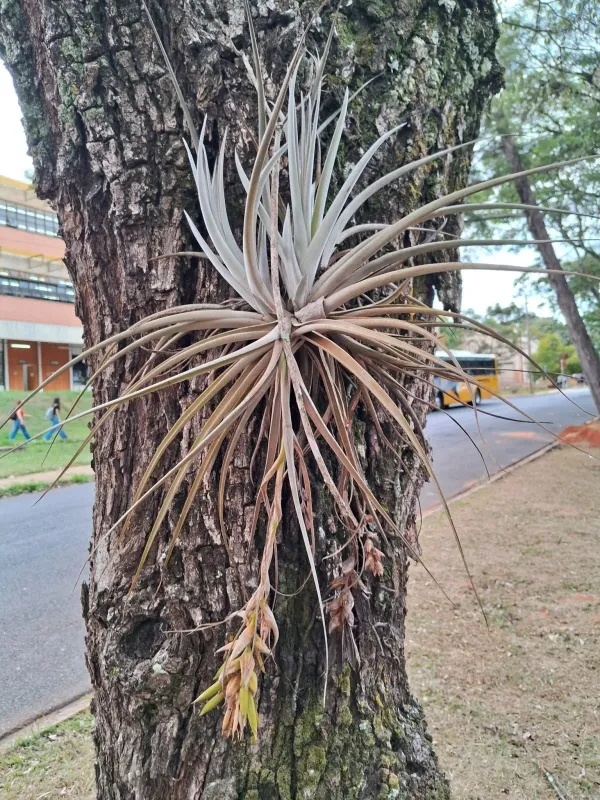
Description
Growing requirements
Tillandsia pohliana is an intriguing epiphytic species belonging to the Bromeliaceae family. Originating from the diverse tropical ecosystems of South America, specifically Brazil, this plant has adapted to survive by colonizing the upper branches of forest trees, where it relies on airborne moisture and nutrients captured from the atmosphere.
To cultivate Tillandsia pohliana successfully, one must maintain a climate that mimics tropical conditions. The ideal temperature ranges from 20 °C to 27 °C. Consistent warmth is critical, as cold drafts or sudden temperature drops can cause significant physiological stress and lead to the degradation of the plant's structural integrity.
Light management is a vital component of the plant's agro-technical requirements. While it thrives in bright conditions, it must be protected from direct, harsh solar radiation. Utilizing filtered or diffused light is essential to prevent leaf scorching, which can permanently damage the foliage and hinder the plant's photosynthetic capacity.
Humidity and airflow are the two most important factors for the health of Tillandsia pohliana. The plant absorbs water through its leaf surface; therefore, maintaining an ambient humidity level of 70–80% is recommended. Additionally, constant air circulation is required to ensure that the foliage dries appropriately after misting sessions.
Regarding growth substrate, traditional soil is unnecessary as this plant is an epiphyte. Instead, professional growers typically attach specimens to organic mounts such as cork bark, driftwood, or specialized grid structures. This allows for optimal aeration of the root system and prevents the moisture retention that can lead to rot.
Main diseases and pests
The primary threats to Tillandsia pohliana health are fungal infections associated with improper moisture management. Excessive water accumulation within the base of the leaf rosette serves as a breeding ground for pathogens. Effective control measures focus on maintaining strict drying intervals and ensuring optimal air circulation within the growing environment.
Pest management is focused on controlling scale insects and mealybugs, which are the most common adversaries for this species. Integrated pest management strategies, including the use of neem-based solutions or targeted horticultural soaps, are usually sufficient to manage populations while preserving the delicate balance of the epiphyte's physiology.