
Tillandsia mooreana
Tillandsia mooreana
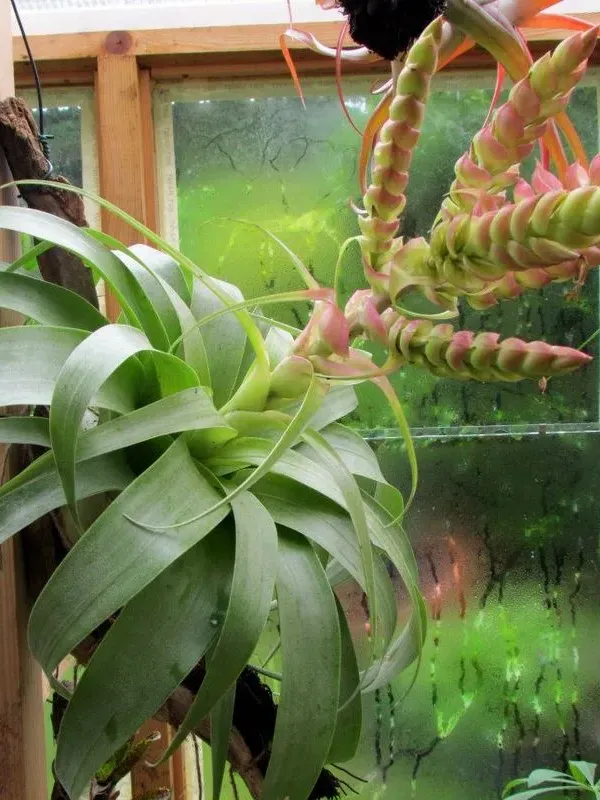
Description
Growing requirements
Tillandsia mooreana is a distinguished member of the Bromeliaceae family, known for its unique lifestyle as an epiphyte. Originating from the mountainous regions of Mexico, this species has adapted to thrive in high-altitude environments where humidity is high and temperature fluctuations are moderate throughout the seasons.
The plant exhibits a characteristic rosette growth pattern with succulent, silvery leaves. These leaves are covered with specialized structures called trichomes, which are essential for absorbing moisture and nutrients directly from the atmosphere, a key biological adaptation that defines the plant's agronomic needs.
Successful cultivation requires consistent bright, indirect light to prevent leaf scorching while promoting healthy metabolic functions. The ideal ambient temperature range for this crop is between 18 and 25 degrees Celsius, supported by a high relative humidity level, typically ranging from 60 to 70 percent.
Agronomically, this plant does not utilize soil for growth. In controlled environments, growers often mount these plants on organic substrates such as cork bark, wood slabs, or specialized baskets filled with minimal moss to maintain moisture without causing root saturation or water stagnation.
The primary economic use of Tillandsia mooreana is in the ornamental horticulture industry. It is highly valued for its decorative inflorescence, which produces vibrant bracts during the flowering stage, making it a premium choice for indoor landscape design and botanical collections.
Main diseases and pests
The most common pests affecting this species are mealybugs and scale insects, which often colonize the base of the leaves and the tight spaces within the rosette. Growers should perform regular monitoring and manual removal or use appropriate non-toxic soaps to manage infestations effectively.
Fungal pathogens and crown rot represent the primary disease threats to this plant. These are almost exclusively caused by improper irrigation practices, such as allowing standing water to pool in the center of the rosette, which leads to tissue decomposition and eventual collapse of the specimen.