
Tillandsia loliacea
Tillandsia loliacea
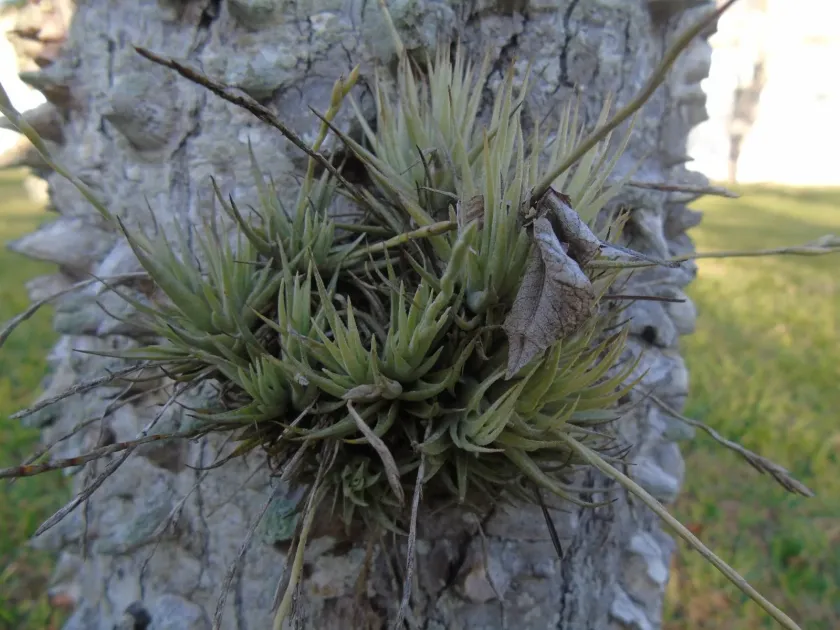
Description
Growing requirements
Tillandsia loliacea is a miniature herbaceous plant belonging to the Bromeliaceae family. Native to South America, including regions in Argentina, Bolivia, Paraguay, and Brazil, this species naturally thrives as an epiphyte on tree branches.
The culture is characterized by its small, compact size and its habit of growing in dense clusters. The leaves are narrow and covered in trichomes, which are specialized scales that allow the plant to absorb moisture and nutrients directly from the atmosphere.
For successful cultivation, high humidity and consistent airflow are essential. The plant does not require soil, as it relies on its aerial root system for attachment rather than nutrient uptake, drawing everything it needs from the surrounding air.
The ideal temperature range for active growth is between 18 and 25 degrees Celsius. It is crucial to prevent sudden temperature drops and cold drafts, which can cause significant stress and lead to the desiccation of the plant foliage.
Bright, indirect light is preferred for this species. Direct sun exposure during the middle of the day can lead to leaf scorch, so providing filtered light or placing the plant near east or west-facing windows is recommended.
Main diseases and pests
The primary threats to Tillandsia loliacea involve rot caused by stagnant water, particularly within the leaf rosette where excess moisture can lead to fungal infections.
Common pests that affect this plant include mealybugs and spider mites, both of which thrive in indoor environments with low humidity levels.
Disease prevention is largely based on maintaining proper air circulation and implementing a watering regimen that avoids waterlogging the plant's core.
If an infestation occurs, it is advisable to use biological insecticides or carefully remove pests manually with a mild alcohol solution to preserve the delicate structure.
Using soft, purified water is vital, as hard water with high mineral content can clog the trichomes, effectively preventing the plant from absorbing the necessary moisture.