
Tillandsia hybrids
Tillandsia hybrids
Description
Growing requirements
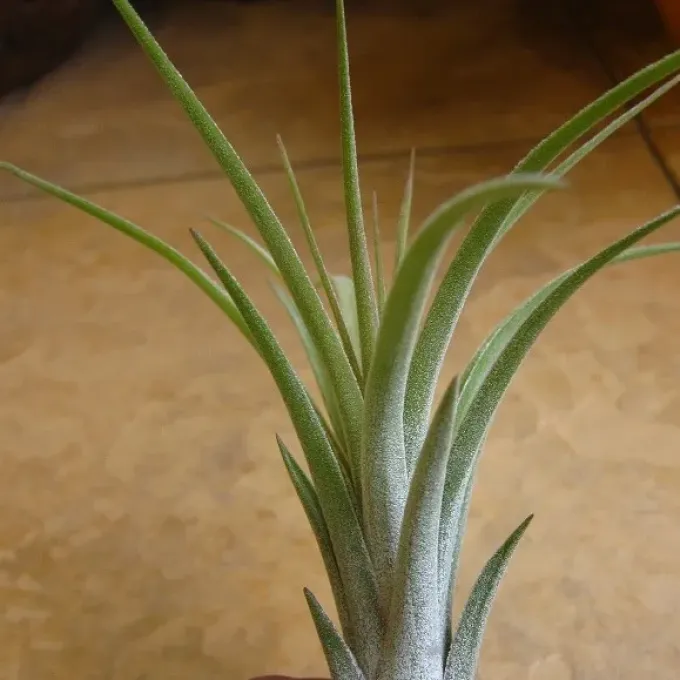
Tillandsia hybrids are ornamental cultivars belonging to the Bromeliaceae family. These plants are derived from species native to the tropical forests of Central and South America, where they naturally exist as epiphytes, thriving in high-humidity canopy environments.
To cultivate these hybrids successfully, providing bright, filtered light is crucial. High-intensity light without direct contact is necessary for the development of their characteristic inflorescences, while low light can stunt growth and prevent flowering.
The rooting medium for Tillandsia should be highly porous and well-draining. Typical substrates include a mixture of pine bark, sphagnum moss, and charcoal, which provide structural support without the risk of waterlogging, which is a major danger for epiphytic roots.
Optimal environmental conditions involve temperatures between 20°C and 25°C. Air circulation is vital to prevent fungal accumulation; therefore, greenhouses or indoor spaces must have active ventilation systems to maintain a healthy growth cycle.
Tillandsia hybrids are primarily utilized in the commercial ornamental industry. They are highly sought after for interior landscaping, vertical garden installations, and as specialty potted plants that offer a distinct aesthetic value to retail horticulture.
Main diseases and pests
Major pests affecting Tillandsia hybrids include scale insects, mealybugs, and spider mites. These pests typically colonize the base of the leaves, drawing nutrients directly from the plant tissue.
Management involves the use of targeted insecticidal treatments, applied with care to ensure the solution does not accumulate excessively in the leaf axils, which could lead to tissue toxicity or secondary rotting.
Fungal pathogens such as soft rot are the most significant threats to plant health. These are usually triggered by stagnant water in the leaf rosette combined with inadequate air movement or cool, damp conditions.
Prevention relies on maintaining a rigorous sanitation schedule and ensuring that the plants dry off adequately after irrigation. Using pathogen-free water sources is also essential for maintaining the integrity of the plant collection.
Agronomic monitoring should include regular inspections of the leaf base and root system. Early detection of environmental stress is key to preventing widespread infestations and ensuring the consistent quality of the crop.