
Tillandsia heteromorpha
Tillandsia heteromorpha
Description
Growing requirements
Tillandsia heteromorpha is a fascinating epiphytic species belonging to the Bromeliaceae family. Originating from the mountainous regions of Peru, this plant has adapted to survive in harsh, high-altitude environments where moisture is primarily obtained from atmospheric mist and dew.
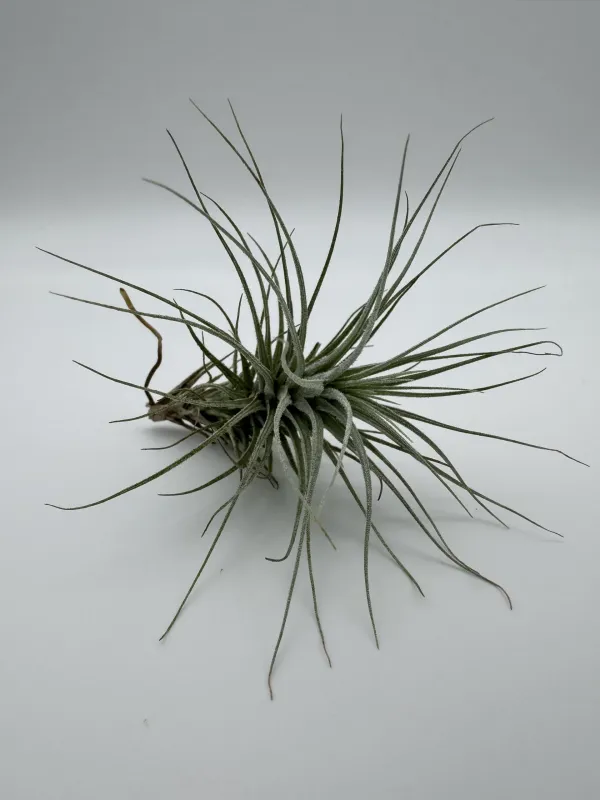
The plant features a distinct morphology characterized by a dense rosette of narrow, silvery-green leaves. These leaves are densely covered with trichomes, which are specialized hair-like structures that reflect excess sunlight and absorb water and dissolved nutrients directly from the environment.
In terms of light requirements, Tillandsia heteromorpha demands bright, indirect sunlight. While it can tolerate some exposure to morning sun, intense midday heat can cause the leaves to dehydrate quickly. Consistent, filtered light is essential to maintain the structural integrity and health of the rosette.
Optimal cultivation involves mounting the plant on wood, cork, or rock. Since it is an epiphyte, it does not require a traditional soil medium. Overwatering or planting in dense soil will lead to rapid root rot, which is the primary cause of plant failure in artificial environments.
Temperature management should mirror its native high-altitude habitat, favoring cool, well-ventilated spaces. A significant drop in nighttime temperatures is beneficial for the plant's respiration cycle. Air circulation is non-negotiable, as it ensures the plant dries out completely between waterings.
Main diseases and pests
Fungal infections are the most common threat to this species, usually resulting from inadequate drying periods. If water remains trapped in the central rosette for too long, the tissues will become susceptible to soft rot, which is often fatal to the plant.
Scale insects and mealybugs are the primary pests that affect this species. Their ability to hide beneath the dense coating of trichomes makes them difficult to detect until the infestation is advanced, leading to yellowing of the leaves and stunted growth.
Pest control should focus on manual removal and the use of targeted, low-toxicity horticultural oils or soaps. It is vital to avoid any treatments that contain heavy oils, as these can suffocate the plant by clogging the trichomes, which are essential for its gas exchange and hydration.
Nutrient deficiency or toxicity is another common issue. Since the plant relies on foliar absorption, any fertilizers used must be highly diluted and low in urea or copper, which can be toxic to bromeliads. Use only specialized products designed for air plants.
Regular maintenance, including removing dead lower leaves and ensuring the base of the plant remains dry, is essential. Monitoring the color and texture of the leaves allows the grower to adjust light and water levels before the plant experiences significant physiological stress.