
Tillandsia floribunda
Tillandsia floribunda
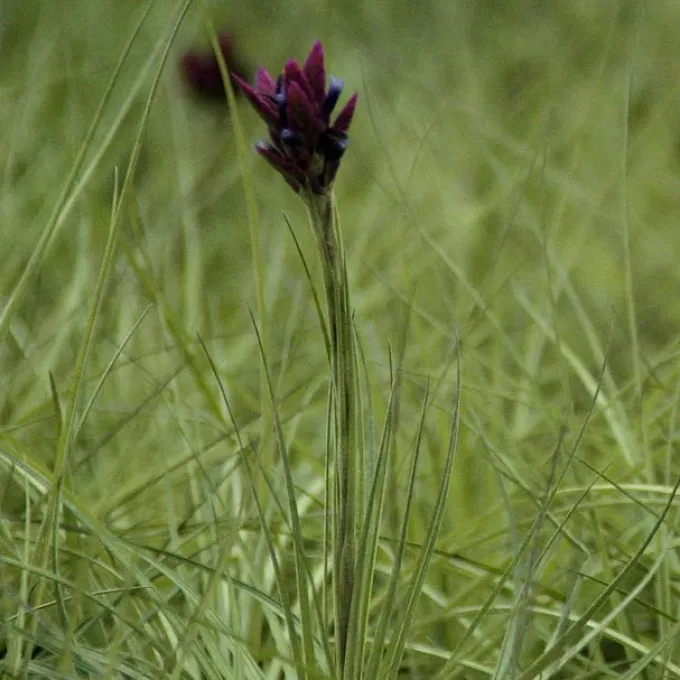
Description
Growing requirements
Tillandsia floribunda is a member of the Bromeliaceae family, native to the tropical regions of South America. As an epiphyte, it naturally grows on the branches of trees in humid mountain forests, obtaining nutrients and moisture from the air and rain.
The plant requires high humidity, ideally ranging between 65% and 80%. It is crucial to maintain good air circulation to mimic the natural breezy conditions of its habitat and prevent stagnant moisture in the leaf rosettes.
Lighting should be bright and indirect. Morning sunlight is beneficial, but exposure to harsh midday sun should be avoided to prevent desiccation and sunburn of the foliage, which is characteristic of many sensitive epiphytic bromeliads.
Temperature requirements are moderate, with an optimal range between 18°C and 25°C. The species is sensitive to frost and cold drafts, which can cause physiological damage to its sensitive tissues and slow down its growth significantly.
Watering is best achieved through regular misting with soft or distilled water. Unlike terrestrial plants, it does not require a complex soil mixture, but it does need a stable support or a substrate of bark if grown in containers for decorative purposes.
Main diseases and pests
Common pests include scale insects and mealybugs, which tend to congregate in the protected areas of the leaf axils. Regular inspection is necessary to catch infestations at an early stage before they compromise the plant health.
Fungal rots, specifically crown rot, are a severe threat triggered by poor drainage or water remaining in the center of the rosette for too long. Once established, this condition often leads to the loss of the primary plant.
Spider mites can be a problem in environments with low humidity. Keeping the ambient environment humid and misting the plants consistently is the most effective biological prevention method against these tiny pests.
Bacterial soft rot can occur if the temperature drops too low while the plant is damp. Maintaining a warm, well-ventilated environment is the best defense against these opportunistic pathogens during the winter months.
Mineral buildup from hard water is a silent threat that clogs the trichomes (leaf scales) responsible for moisture absorption. Using only purified water ensures the plant maintains its ability to thrive throughout its lifecycle.