
Tillandsia flabellata
Tillandsia flabellata
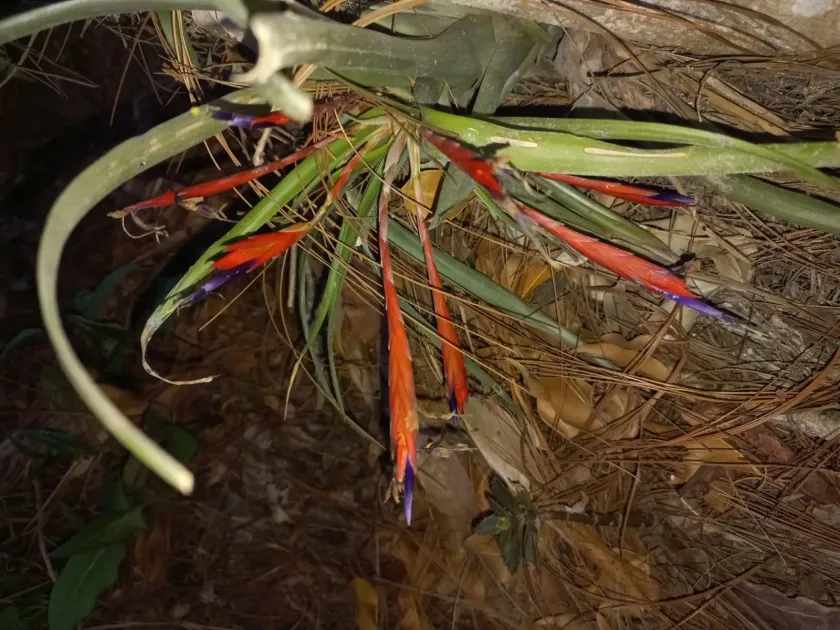
Description
Growing requirements
Tillandsia flabellata is a prominent member of the Bromeliad family. As an epiphyte, it does not rely on soil, instead absorbing nutrients and moisture through its leaves in its native Central American tropical forest environments.
The plant grows naturally on tree limbs and rocky outcrops, thriving in high-humidity habitats with filtered light. Understanding this ecological niche is essential for successful indoor cultivation of the species.
Botanically, it features a symmetric rosette of stiff, strap-like leaves. Its most striking characteristic is its vibrant, fan-shaped inflorescence, which produces colorful bracts that remain visually appealing for several months during the blooming season.
Optimal cultivation requires consistent temperatures between 18°C and 25°C and high ambient humidity. The plant thrives when misted regularly with soft, non-alkaline water, which mimics the rainfall patterns of its native tropical zones.
The primary economic and horticultural use of Tillandsia flabellata is as a high-end decorative ornamental. It is highly valued in modern interior design, terrarium building, and botanical displays due to its sculptural form and low nutrient requirements.
Main diseases and pests
Common pests affecting Tillandsia flabellata include scale insects and mealybugs. These pests frequently hide deep within the leaf axils, making early manual detection and intervention essential to maintain the plant's structural health.
Fungal rots represent a significant threat to the culture, typically occurring when water stagnates in the central rosette during cooler or poorly ventilated conditions. This can lead to rapid decay of the basal tissues.
Spider mites can become a problematic issue if the surrounding air is excessively dry. Regular inspection and moderate misting are the best preventative measures to keep mite populations under control without needing chemical intervention.
When chemical treatment is necessary, only systemic insecticides that are labeled safe for epiphytic bromeliads should be utilized. Care must be taken to ensure the product does not accumulate in the leaf base, where it could cause chemical burns.
Maintaining proper airflow is the most effective biological defense against pathogens. A balanced environment prevents the development of mold and promotes vigorous growth, ensuring the plant stays resilient against potential infestations.