
Tillandsia didisticha
Tillandsia didisticha
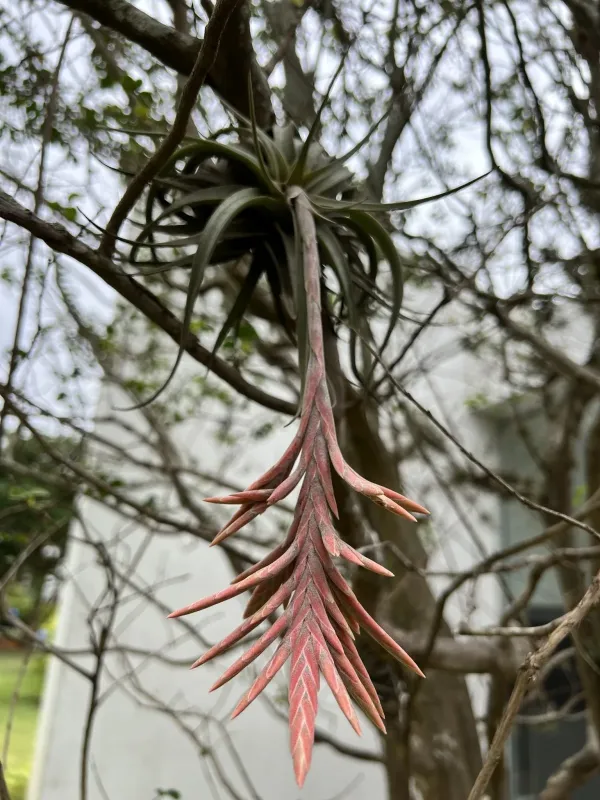
Description
Growing requirements
Tillandsia didisticha belongs to the Bromeliaceae family and is recognized as a distinctive epiphyte. Its natural habitat is spread across the tropical and subtropical regions of South America, including Bolivia, Paraguay, and Argentina, where it thrives in tree canopies.
This species is characterized by its stiff, succulent-like leaves arranged in a dense rosette. The foliage is covered in trichomes, which are specialized structures that absorb moisture and nutrients directly from the air, making it highly adapted to high-canopy environments.
Cultivation requires bright, indirect light to maintain the plant's health and typical coloration. While it enjoys natural light, prolonged exposure to intense direct sunlight can cause significant tissue damage or severe leaf burning.
The ideal temperature range for this species is between 20°C and 25°C. It is sensitive to cold temperatures, and prolonged exposure to conditions below 15°C should be avoided to prevent cellular damage and metabolic decline.
Humidity management is crucial for Tillandsia didisticha. Regular misting with soft or distilled water is recommended, especially in indoor environments with dry heating, to ensure the plant maintains its physiological balance.
Main diseases and pests
The primary pests affecting this culture are mealybugs and scale insects. These pests tend to congregate in the leaf axils, sucking the plant's sap and causing yellowing or distorted foliage if not managed early.
Fungal infections, such as rot, are common when the plant is kept in overly wet conditions. Stagnant water sitting in the leaf rosette for extended periods encourages pathogens and can lead to rapid decay of the core.
Spider mites are another potential threat, particularly in low-humidity environments. They typically appear on the undersides of leaves and can be identified by the fine webbing they produce as the infestation progresses.
Pest management should focus on non-toxic methods first, such as physically removing insects or using a gentle neem oil solution. Strong chemical pesticides should be used with extreme caution to avoid damaging the delicate leaf structure.
Maintaining proper airflow is the most effective preventative measure against both pest infestations and fungal disease. Good ventilation ensures that the plant dries off properly after misting or watering sessions.