
Tillandsia crocata
Tillandsia crocata
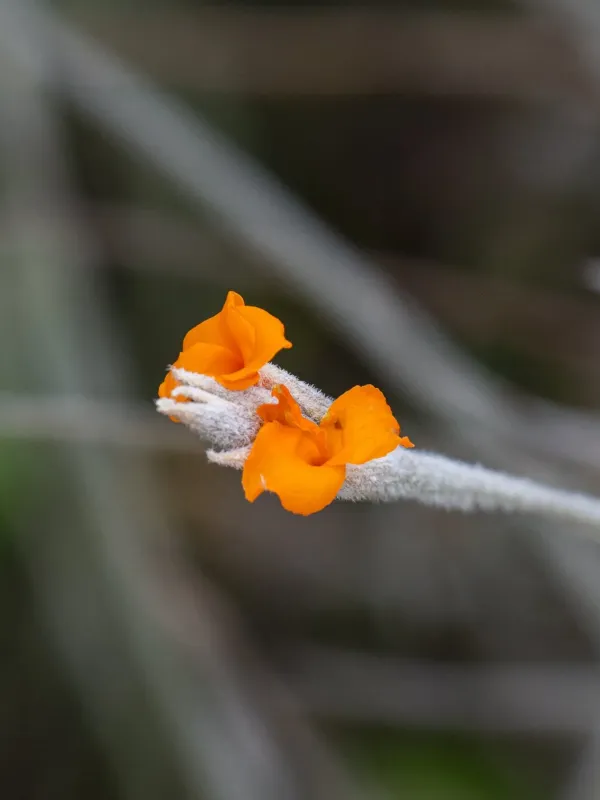
Description
Growing requirements
Tillandsia crocata is a fascinating epiphytic species belonging to the Bromeliaceae family. Native to South America, particularly regions within Argentina and Uruguay, it typically anchors itself onto tree branches or rocky substrates.
The plant is distinguished by its small, silver-scaled foliage, which features specialized trichomes. These structures are evolutionary adaptations that allow the plant to absorb moisture and nutrients directly from the ambient air.
Successful cultivation requires bright, filtered light. While the species is resilient, intense direct sunlight can scorch the delicate leaves, so maintaining a balance of light exposure is essential for photosynthesis.
Agricultural techniques for this culture are centered on foliar absorption. Watering is best accomplished through misting with soft water or periodic soaking, ensuring that the plant dries completely within a few hours to mimic natural air-flow patterns.
As an epiphyte, Tillandsia crocata does not require traditional soil. In ornamental settings, it is grown on decorative mounts such as cork bark or driftwood, which provide the necessary structural support without retaining excessive moisture at the base.
Main diseases and pests
The primary threat to the health of Tillandsia crocata is water accumulation within the rosette. If moisture remains trapped in the center of the plant for too long, it will inevitably lead to crown rot and rapid tissue death.
Mealybugs are the most common pests that infest these plants, often hiding deep within the tight leaf junctions. Their presence can significantly weaken the plant and lead to stunted growth patterns.
Spider mites represent a secondary threat, particularly in environments where humidity levels fall too low. These pests pierce the leaf surface, leading to discolouration and overall decline of the specimen.
Fungal infections frequently occur due to poor ventilation. Stagnant air combined with high humidity creates an ideal environment for mold and mildew to colonize the plant’s surfaces, potentially causing severe damage.
Effective management involves consistent monitoring and the maintenance of an active air-circulation system. Maintaining clean growing conditions and inspecting for early signs of infestations are the cornerstones of successful plant management.