
Tillandsia concolor
Tillandsia concolor
Description
Growing requirements
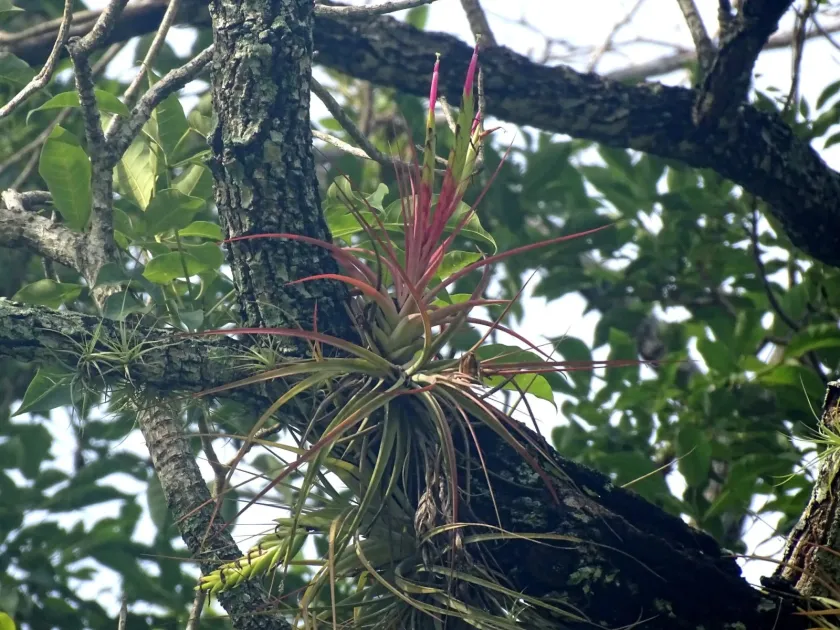
Tillandsia concolor is a fascinating species of epiphyte belonging to the Bromeliaceae family. Originating from the dry tropical forests of Mexico, it is classified as an air plant, meaning it does not rely on roots for nutrient uptake from the soil. Instead, it absorbs moisture and minerals directly from the atmosphere through specialized structures called trichomes.
The morphology of this plant is characterized by its curved, succulent-like leaves that form a unique, somewhat shaggy rosette. The silver-gray coloration of the foliage is a protective adaptation that reflects excess sunlight and helps the plant retain water in its natural habitat, which often experiences significant seasonal droughts.
Cultivation requirements focus heavily on airflow and hydration. It is essential to maintain high relative humidity while ensuring the plant dries out completely within a few hours after watering. Poor air circulation in the core of the rosette is the primary cause of rot, which can prove fatal to the specimen within a very short time.
Light intensity for Tillandsia concolor should be bright and indirect. While the plant can tolerate some morning sun, intense midday light must be filtered to prevent bleaching or leaf scorching. If kept indoors, placing it near a window with sheer curtains provides the ideal balance of light for photosynthesis without causing heat stress.
To keep the plant healthy, a regular misting schedule is recommended, complemented by an occasional soak. Use only distilled, rainwater, or deionized water, as tap water containing high mineral content can clog the trichomes, effectively choking the plant over time and preventing it from absorbing the necessary nutrients from the air.
Main diseases and pests
The most significant threats to Tillandsia concolor include scale insects and mealybugs, which often hide deep within the leaf axils. Fungal rot caused by water stagnation in the rosette is another common issue; it is vital to gently shake off excess water after every hydration session to ensure long-term plant viability.