
Tillandsia chusgonensis
Tillandsia chusgonensis
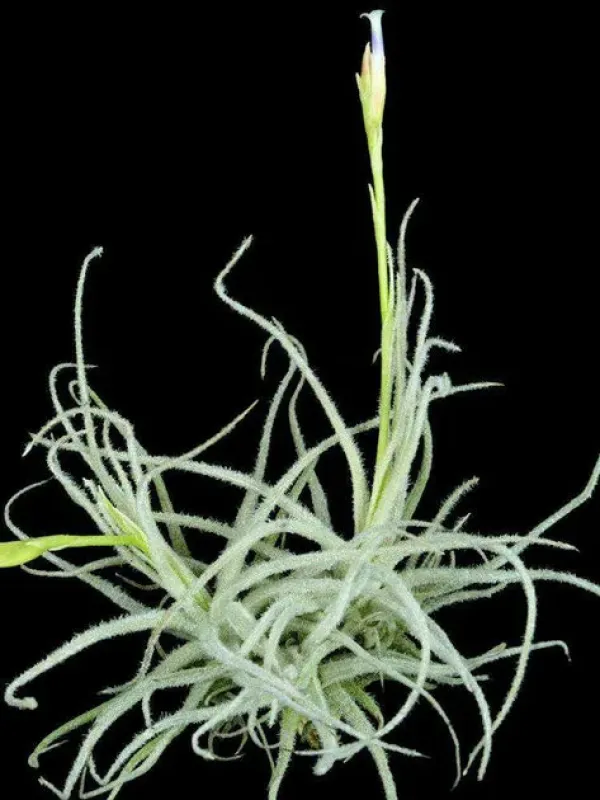
Description
Growing requirements
Tillandsia chusgonensis is a member of the Bromeliaceae family. This rare epiphytic species is native to the high-altitude mountainous regions of Peru, specifically within the La Libertad department. It is highly adapted to the unique climatic conditions of its natural habitat.
In cultivation, this plant requires conditions that closely mimic its mountain origin. The ideal temperature range is between 15 and 25 degrees Celsius. Crucially, a significant diurnal temperature fluctuation is necessary to promote healthy metabolic processes and flowering in this species.
The plant thrives in high humidity, but it is essential to ensure adequate airflow to prevent water from stagnating in the leaf rosettes, which can lead to rot. Regular misting with soft, dechlorinated water is recommended, as the plant absorbs moisture through specialized scales called trichomes.
Bright but indirect light is essential for the healthy growth of Tillandsia chusgonensis. Direct sunlight, especially during peak hours, can damage the foliage, necessitating the use of light shade cloths. Mounting on cork bark or using open hanging baskets is the standard method for display and development.
Fertilization should be performed using diluted, bromeliad-specific fertilizers. Since the root system is primarily for anchoring, feeding must be done through foliar spraying. Adherence to strict concentrations is necessary to avoid damaging the sensitive trichome layer on the leaves.
Main diseases and pests
Fungal infections pose a major threat, particularly when humidity is high and ventilation is poor. If any signs of rot appear at the base, it is critical to remove the infected tissue immediately and apply a suitable systemic fungicide to stop the spread.
Mealybugs and scale insects are the most common pests for this species. They tend to settle in the tight spaces between leaves, making them difficult to detect. Regular and thorough inspections are a mandatory part of the maintenance routine for every grower.
Spider mites can become an issue if the environment becomes too dry, leading to yellowing and stunted growth of the plant. If an infestation occurs, bio-insecticides or mild soapy water solutions can be effective for initial control.
Inadequate air circulation is a major contributor to various bacterial diseases. Maintaining a constant, gentle breeze around the plants helps to keep the foliage dry enough to prevent rot while allowing the plant to breathe.
The accumulation of minerals from hard water can plug the trichomes, preventing the plant from absorbing nutrients and moisture correctly. This physiological stress weakens the specimen and makes it significantly more susceptible to opportunistic pathogens.