
Tillandsia caput-medusae
Tillandsia caput-medusae
Description
Growing requirements
Tillandsia caput-medusae is an exotic species belonging to the Bromeliad family, classified as an atmospheric epiphyte. It is native to the tropical regions of Mexico and Central America, where it naturally colonizes tree branches, relying on them for structural support rather than nutrient intake.
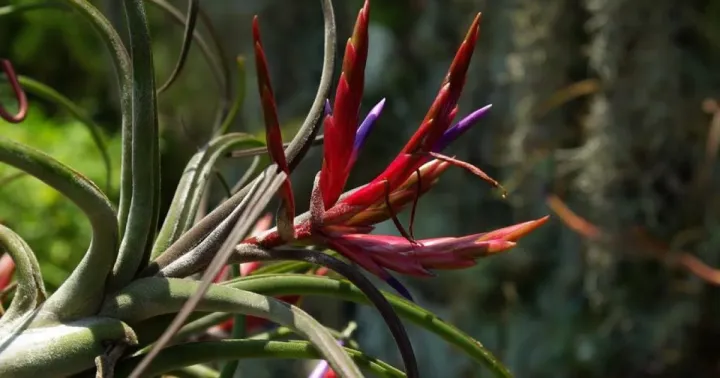
The plant is defined by its bulbous, pseudo-bulbous base and long, serpent-like foliage that twists and curves in distinctive patterns. This unique architecture, resembling the mythic hair of Medusa, is highly valued in botanical collections and interior design.
In cultivation, this plant requires high humidity levels and excellent air circulation. Unlike terrestrial crops, it lacks a traditional root system for soil-based nutrition, instead absorbing water and nutrients through specialized leaf structures called trichomes.
For optimal growth, maintain temperatures between 18°C and 26°C. While the plant can tolerate short periods of heat, it is vital to avoid frost and cold drafts, which can cause irreversible damage to the cellular structure of the leaves.
Light requirements involve bright, indirect exposure. Prolonged direct sunlight during the hottest part of the day can dehydrate the plant and cause leaf scorching, while insufficient light leads to stunted growth and a loss of the plant's characteristic vibrant color and form.
Main diseases and pests
The primary agricultural threat to this species is the incidence of fungal and bacterial rot caused by stagnant water trapped within the central leaf rosette. Proper drying after misting or soaking is essential to maintain the integrity of the plant's heart.
Scale insects pose a significant challenge to Tillandsia crops. These pests often congregate at the tight base of the pseudo-bulb, where they feed on sap, weakening the plant and promoting the growth of sooty mold on the honeydew they secrete.
Mealybugs are another common threat, appearing as white, cotton-like masses in the leaf axils. Their rapid reproduction cycle requires prompt intervention with mild contact insecticides or mechanical removal to prevent systemic infestation.
Spider mites are frequently encountered when air humidity is consistently kept below the required threshold. These tiny pests pierce the leaf surface to extract moisture, leading to the yellowing and eventual desiccation of the foliage.
Preventative care relies on environmental hygiene and the use of demineralized water. Mineral buildup from hard water can clog the trichomes, effectively choking the plant by preventing it from absorbing necessary moisture and nutrients from the air.