
Tillandsia cacticola
Tillandsia cacticola
Description
Growing requirements
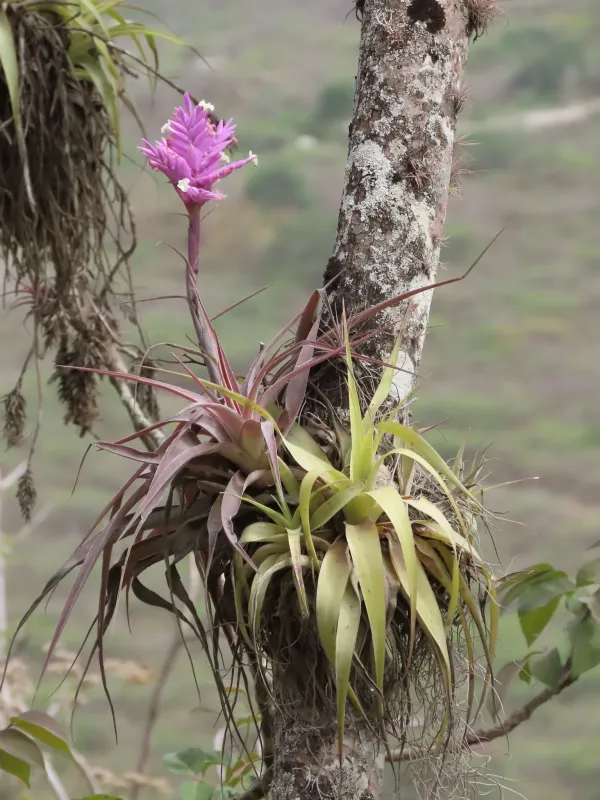
Tillandsia cacticola is a distinctive species of epiphytic plant belonging to the Bromeliaceae family. It is native to the arid valleys of Peru, where it typically grows attached to cacti and rocky surfaces, utilizing its specialized trichomes to absorb moisture and nutrients directly from the air.
For successful cultivation, Tillandsia cacticola requires bright, indirect sunlight. Exposure to harsh, direct sunlight can damage the silver-toned leaves, which are covered in dense scales designed to protect the plant from high radiation levels and dehydration.
Temperature management is vital, with an ideal range between 18°C and 26°C. The plant thrives in well-ventilated spaces, as stagnant air can lead to excessive humidity levels inside the leaf rosettes, causing the plant to rot rapidly if it remains wet for extended periods.
Watering techniques include misting or submerging the plant in soft water for short intervals. After soaking, it is critical to shake off excess moisture and allow the plant to dry completely within four hours to maintain a healthy root system and avoid bacterial infections.
As an epiphyte, Tillandsia cacticola does not require soil. It should be mounted on natural materials like cork bark, driftwood, or stone. Mounting the plant in an upright position helps water drain away from the core, ensuring optimal health and growth conditions.
Main diseases and pests
Fungal rot is the most significant threat to this species, usually caused by improper ventilation or excessive moisture accumulation. Symptoms include dark spots at the base of the leaves, which require immediate isolation and reduction of humidity to prevent spreading.
Mealybugs are common pests that hide within the dense leaf scales, making them difficult to detect. Regular inspection of the plant's heart and base is necessary, and infestations should be treated with appropriate horticultural oils or systemic insecticides.
Spider mites can become problematic in low-humidity environments, especially during the winter season when heating systems reduce ambient moisture. Frequent misting and keeping the plant in a clean environment help keep mite populations under control.
Scale insects may attach to the rigid foliage, depleting the plant's resources. These pests should be manually removed or treated with an insecticidal spray, while ensuring that the chemical application does not damage the delicate silver trichomes on the leaves.
Lack of sufficient air circulation is a primary driver of plant decline. If the plant is kept in a terrarium or a closed environment without adequate airflow, it will become prone to various pathogens that can destroy the plant in a matter of days.