
Tillandsia bartramii
Tillandsia bartramii
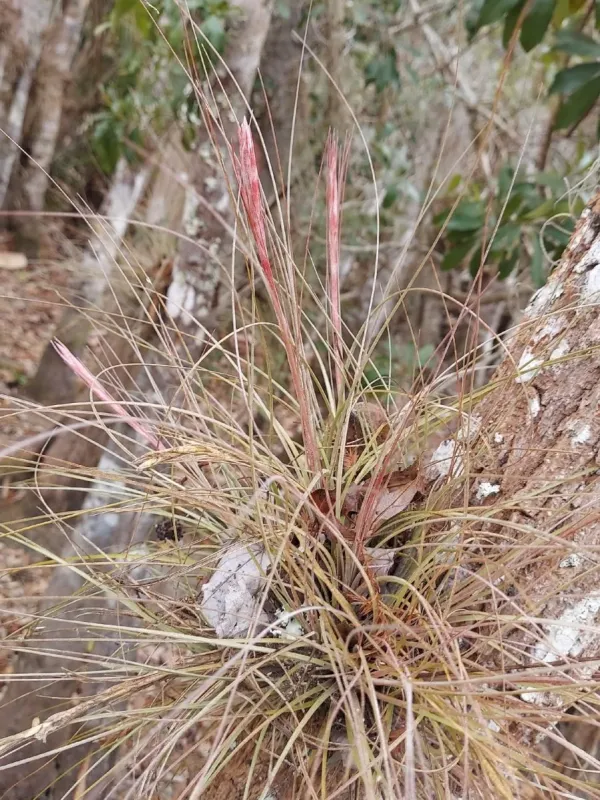
Description
Growing requirements
Tillandsia bartramii is a species of flowering plant within the Bromeliaceae family, widely recognized for its unique epiphytic lifestyle. Native to the southeastern United States, particularly Florida, and parts of Mexico, it thrives in humid environments clinging to tree branches and rocky outcrops.
The plant exhibits a characteristic rosette growth pattern consisting of slender, thread-like leaves. These leaves are densely covered in trichomes—specialized scales that function as natural filters, allowing the plant to absorb moisture and nutrients directly from the air and atmospheric debris.
In a horticultural setting, Tillandsia bartramii requires bright, filtered light to maintain its structural integrity and color. While it enjoys a high-humidity environment, it is crucial to balance this with adequate ventilation to mimic its natural canopy habitat and prevent excess moisture stagnation.
Temperature management is a key aspect of successful cultivation; the plant performs best when kept between 18 and 25 degrees Celsius. It should be protected from extreme cold, as exposure to temperatures below 10 degrees Celsius can cause significant physiological stress and leaf tissue damage.
Cultivation technique involves mounting the plant onto porous surfaces like cork bark, driftwood, or specialized supports. The roots serve primarily as an anchor rather than a nutrient-uptake organ; therefore, the base of the plant should remain unobstructed to ensure maximum gas exchange through the trichomes.
Main diseases and pests
The primary horticultural challenge for Tillandsia bartramii is the prevention of crown rot, which typically occurs when water remains trapped inside the rosette for too long. Proper drainage after misting or immersion is vital for the long-term survival and health of the plant.
Spider mites represent a major biological threat, especially in indoor environments with low humidity. These pests suck the sap from the delicate leaf tissue, leading to stunted growth, discoloration, and a loss of the plant's characteristic silvery appearance.
Mealybugs are another common pest that tends to hide deep within the crevices of the leaf rosette. Their presence is often indicated by a white, cotton-like substance, and they can weaken the plant significantly if left untreated for an extended period.
Inadequate water quality, specifically the use of hard water, can lead to the clogging of leaf scales. Over time, mineral deposits build up on the surface, preventing the plant from breathing and absorbing moisture, which ultimately leads to a decline in vigor.
Maintaining a clean, well-ventilated space is the most effective preventative measure against fungal and bacterial issues. Should a pest infestation occur, targeted manual removal or the application of specialized horticultural soaps is advised to protect the plant's sensitive leaf structures.