
Tillandsia arequitae
Tillandsia arequitae
Description
Growing requirements
Tillandsia arequitae is a fascinating member of the Bromeliaceae family, naturally occurring in South America, specifically in Uruguay. As an epiphytic plant, it does not rely on soil for nutrition, utilizing its root system primarily as an anchor for support while absorbing moisture and nutrients from the air via specialized foliage cells.
Successful cultivation requires environmental conditions that mimic its native habitat. The plant thrives in bright, filtered light, as direct, intense sunlight can scorch its leaves. A consistent temperature range between 18 and 25 degrees Celsius is ideal for promoting healthy growth throughout the year.
Air humidity is the most critical factor for the well-being of this species. Owners must ensure a relative humidity level of 60 to 80 percent, which can be maintained through regular misting with distilled or soft water. Proper airflow is equally important to ensure the foliage dries out sufficiently, preventing stagnant moisture.
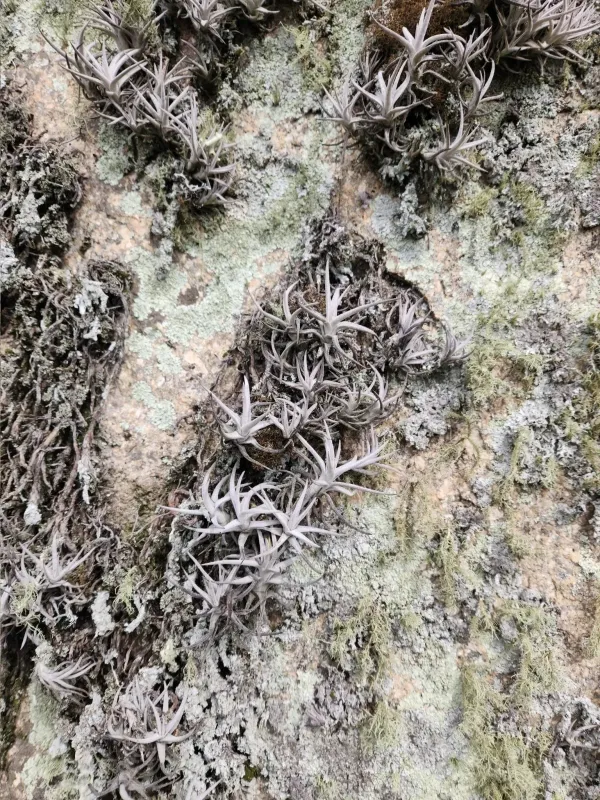
Botanically, the plant is characterized by a compact rosette of silvery, rigid leaves covered in trichomes, which are essential for its survival in diverse moisture conditions. During its blooming phase, it produces distinctive inflorescences that make it highly sought after by collectors of exotic tropical flora.
In terms of practical usage, Tillandsia arequitae is strictly an ornamental culture. It is widely employed in professional interior landscaping, terrarium setups, and artistic wall installations, where its unique, soil-free growth habit offers immense creative potential for designers and botanical enthusiasts.
Main diseases and pests
The primary threats to Tillandsia arequitae include common pests like mealybugs and scale insects, which often congregate in the base of the leaf rosettes. Frequent inspection is recommended, and treatment should involve specialized horticultural soaps or systemic insecticides applied with care.
Fungal pathogens and rot represent significant risks if the plant is kept in conditions with poor circulation. If water remains trapped in the center of the rosette for extended periods in cool temperatures, the tissue may quickly begin to decay, leading to plant loss if not corrected immediately.