
Tillandsia abdita
Tillandsia abdita
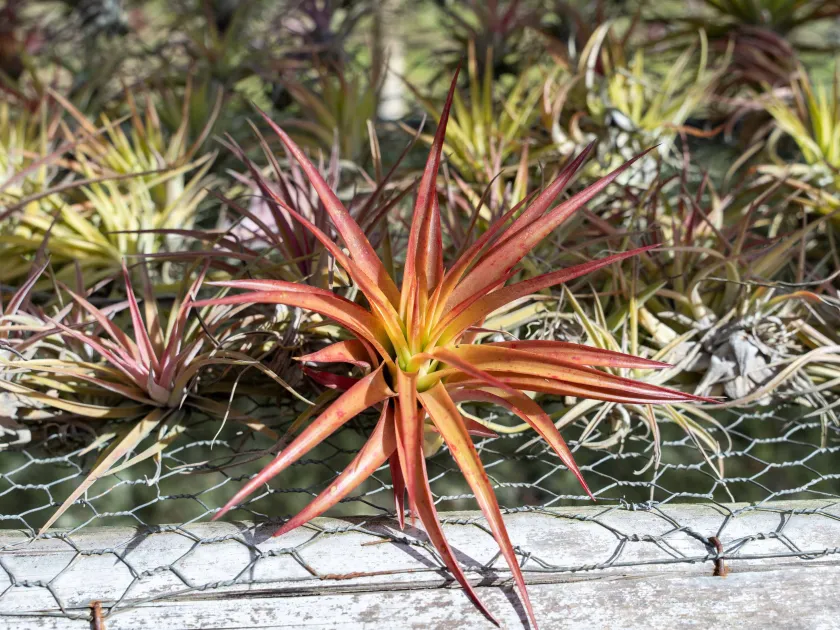
Description
Growing requirements
Tillandsia abdita is a remarkable member of the Bromeliad family, classified as an epiphyte. In its natural habitat, it is native to Central America, where it thrives by anchoring itself onto tree branches and rocky substrates, rather than growing in the ground.
Lighting requirements for this species include bright, indirect sunlight. While these plants enjoy light, direct sun exposure for prolonged periods can scorch their leaves, which are covered in specialized trichomes designed to absorb moisture and nutrients from the air.
Climate management is essential for healthy growth. The plant prefers temperatures ranging from +20°C to +25°C. It is sensitive to extreme cold, and temperatures should ideally never drop below +15°C to avoid metabolic damage to the plant tissue.
The core of its cultivation involves a unique watering routine. Unlike traditional plants, Tillandsia abdita should be misted or submerged in water for about 15–20 minutes once a week. After soaking, it is crucial to let the plant dry out completely to ensure long-term health.
Proper airflow is as important as water. The plant must be mounted on cork, wood, or other porous materials that allow air to circulate around its base. A stagnant, humid environment without proper ventilation will quickly lead to health issues.
Main diseases and pests
Pests such as mealybugs and scale insects are the most common adversaries for Tillandsia abdita. These insects often cluster in the tight leaf rosettes, making them difficult to detect until the plant starts showing signs of stunted growth.
Fungal rot remains the most lethal threat to this air plant. If water sits in the center of the rosette for too long, especially in low-light conditions, the base of the plant may begin to decay rapidly, often leading to total collapse.
Spider mites can also attack the plant, particularly when ambient humidity drops too low. These pests thrive in dry environments and can quickly sap the vitality of the plant, causing the leaf tips to turn brown and brittle.
Effective pest management involves regular inspections and the use of insecticidal soaps or mild systemic treatments. Always ensure that the treatment is not applied in heavy concentrations that could harm the delicate leaf surface.
Prevention is the best strategy. By maintaining optimal humidity levels and ensuring the plant dries completely after every watering session, growers can significantly reduce the risk of both pest infestations and pathogenic fungal growth.