
Nidularium procerum
Nidularium procerum
Description
Growing requirements
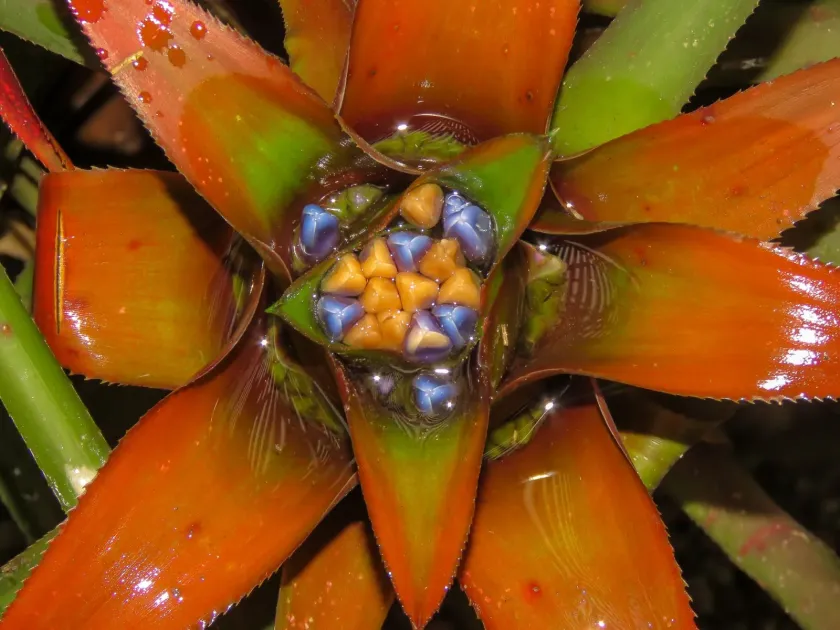
Nidularium procerum is a herbaceous perennial belonging to the Bromeliaceae family. Originating from the tropical rainforests of Brazil, this species is well-adapted to the humid and shaded conditions of the understory, where it thrives as an epiphyte or a terrestrial plant.
For successful cultivation, a stable temperature range between 22 and 26 degrees Celsius is essential. The crop is highly sensitive to cold stress, which can severely disrupt its physiological processes and lead to a decline in leaf quality.
Relative humidity must be maintained at a high level, ideally between 70 and 80 percent. Since the plant utilizes its central rosette to absorb moisture and minerals, maintaining a clean water reservoir within the heart of the rosette is a core agronomic requirement.
The substrate must provide excellent drainage while maintaining slight acidity. A mixture of orchid bark, peat moss, and perlite is recommended to prevent waterlogging and ensure sufficient oxygen circulation around the root system.
Bright, indirect light is necessary for optimal development. Direct solar radiation must be avoided to prevent foliar scorching, which significantly degrades the ornamental value of the plant in a commercial setting.
Main diseases and pests
Scale insects and mealybugs represent the primary entomological threats to Nidularium procerum. These pests often congregate in the tightly packed bases of the leaves, making them difficult to detect and eradicate without thorough inspection.
Spider mites can proliferate rapidly in environments with low humidity, causing chlorotic spots on the foliage. Their feeding habits weaken the plant's defenses and make it more susceptible to secondary pathogenic infections.
Fungal pathogens, particularly those causing root rot, are common in poorly drained substrates. Pathogens such as Phytophthora can infect the crown of the plant, leading to rapid tissue decay and eventual plant mortality.
Integrated pest management strategies should prioritize the use of systemic insecticides to reach pests hidden deep within the foliage. Proper sanitation of the growing environment is equally important to mitigate the spread of fungal spores.
Regular monitoring of environmental parameters, specifically air circulation and humidity control, is crucial for preventing outbreaks. A proactive approach to disease management ensures the health and longevity of the cultivated stock.