
Nidularium lymanioides
Nidularium lymanioides
Description
Growing requirements
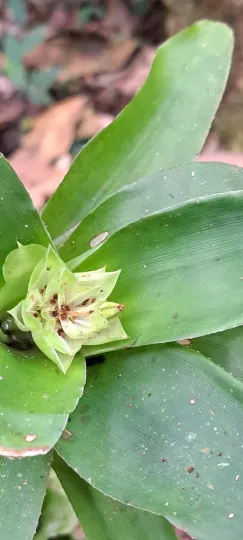
Nidularium lymanioides is an attractive epiphytic plant belonging to the Bromeliaceae family, native to the tropical rainforests of Brazil. It is characterized by its rosette growth pattern and specialized foliage structure that allows it to collect water and nutrients from the environment.
To ensure optimal development, the crop requires consistent tropical temperatures, ideally between 20 and 26 degrees Celsius. Exposure to cold drafts or temperatures below 15 degrees Celsius must be avoided to prevent tissue damage and physiological stress.
Soil requirements focus on high porosity and effective drainage, as the root system is sensitive to waterlogging. A typical professional substrate consists of a blend of orchid bark, peat moss, perlite, and charcoal to maintain an acidic environment and facilitate aeration.
Light management is crucial, requiring bright but indirect solar radiation. In controlled environments, greenhouse managers often utilize shading screens to maintain light levels between 15,000 and 25,000 lux to preserve leaf coloration and vitality.
Watering protocols involve filling the central leaf rosette with soft, dechlorinated water. It is essential to refresh this water periodically to prevent the accumulation of salts or stagnant conditions that could encourage bacterial or fungal development within the plant core.
Main diseases and pests
Common pests affecting this culture include mealybugs, scale insects, and spider mites, which thrive in low-humidity environments. Integrated pest management (IPM) involving biological controls or targeted systemic insecticides is highly recommended.
Pathogenic threats are primarily related to crown rot and fungal leaf spots, which are usually induced by poor ventilation and excessive moisture. Improving airflow and practicing moderate irrigation are the primary methods for preventing these significant agricultural losses.