
Nidularium fulgens
Nidularium fulgens
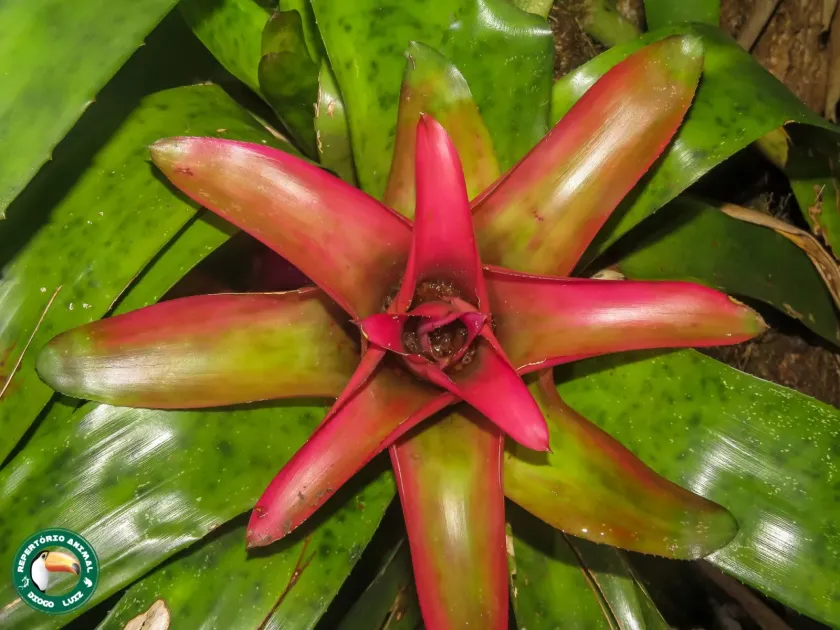
Description
Growing requirements
Nidularium fulgens is a perennial herbaceous plant belonging to the Bromeliad (Bromeliaceae) family. Native to the tropical rainforests of Brazil, this species naturally thrives as an epiphyte, often found growing in the fork of trees or on the forest floor where organic matter accumulates.
Successful cultivation requires bright, indirect sunlight to maintain the vibrant coloration of its foliage and bracts. Direct sunlight is harmful and may scorch the leaves. The ideal temperature range is between 20°C and 25°C, with strict avoidance of drafts and temperature drops below 15°C.
The growing medium must be porous, well-draining, and slightly acidic. An ideal substrate mix includes pine bark, peat moss, perlite, and charcoal, which ensures optimal aeration for the root system and prevents waterlogging, which the plant is highly sensitive to.
Agrotechnical maintenance focuses on the plant's unique ability to absorb water through its central rosette. Watering should be directed into the tank (the central cup) using soft, chlorine-free water. During the active growth season, the soil should be kept slightly moist but never waterlogged.
As a horticultural commodity, Nidularium fulgens is highly regarded in the ornamental plant industry for its aesthetic appeal. It serves as an excellent decorative choice for interior landscaping, greenhouses, and specialized terrariums where high humidity levels can be maintained.
Main diseases and pests
The primary pests affecting Nidularium fulgens include mealybugs and scale insects. These pests tend to hide in the deep crevices of the central rosette, making them difficult to detect and eradicate without thorough and repeated application of suitable systemic insecticides.
Root rot and crown rot represent the most significant pathological threats, typically caused by stagnant water, over-watering in low light, or poor ventilation. If the base of the rosette begins to soften or turn brown, it is often a sign of fungal decay that requires immediate reduction of moisture.
Spider mites can become a nuisance in environments with low humidity, especially during winter months. These pests thrive in dry air, causing stippling on leaves and loss of vigor, which can be mitigated by increasing local humidity and using appropriate acaricidal treatments.
Fungal leaf spot diseases may occur if water is allowed to pool on the leaves in stagnant air conditions. Proper air circulation is critical; it helps ensure that the leaves dry quickly after misting and prevents the spores of pathogenic fungi from germinating on the surface.
Regular maintenance, including removing debris from the central tank and inspecting the leaf axils, is the most effective preventative measure. Keeping the plant in a clean, well-ventilated space is essential for long-term health and preventing the establishment of pest populations.