
Nidularium burchellii
Nidularium burchellii
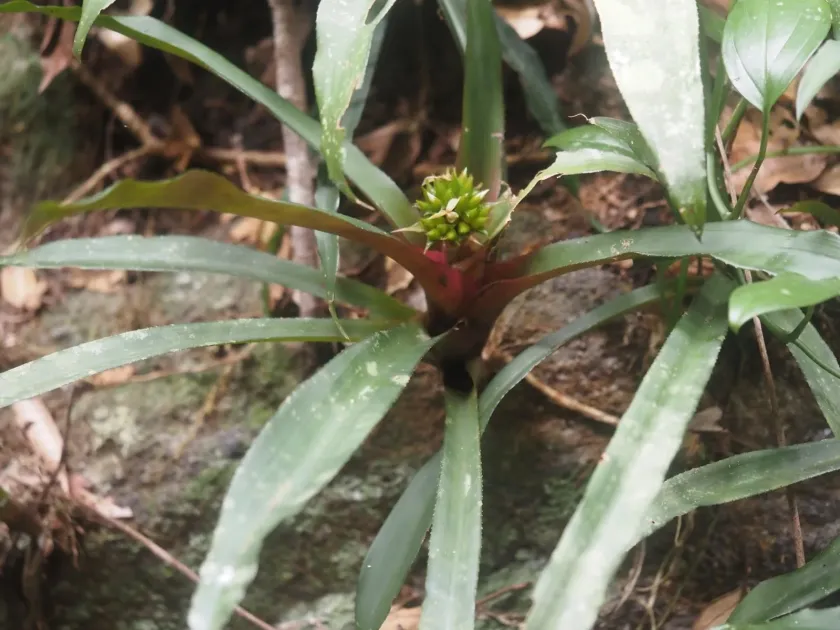
Description
Growing requirements
Nidularium burchellii is an ornamental crop belonging to the Bromeliaceae family, native to the tropical rainforests of Brazil. As an epiphyte, it naturally grows on forest trees, absorbing nutrients and moisture from the humid atmosphere.
Botanically, the plant is characterized by a rosette of foliage that forms a central cup. This structure is highly functional, acting as a reservoir for water and debris, which the plant utilizes to sustain its physiological processes in a native environment.
The cultivation requirements for this species include bright, indirect sunlight and a stable ambient temperature ranging from 20 to 25 degrees Celsius. Direct sun exposure must be avoided to prevent foliar bleaching and tissue damage.
Soil management for Nidularium requires a specialized, well-draining substrate. A mix consisting of peat moss, pine bark, perlite, and leaf mold ensures that the roots receive sufficient oxygen while maintaining the necessary level of humidity.
The watering technique is critical for the healthy development of this crop. Water should be poured directly into the central tank of the rosette, using only soft, chlorine-free water to avoid mineral buildup on the leaves.
Main diseases and pests
The primary threats to this culture are common greenhouse pests, including mealybugs, scale insects, and spider mites. These pests thrive in dry environments and can quickly weaken the plant by sucking sap from the foliage.
Fungal pathogens often target the plant when there is a lack of proper air circulation or excessive moisture in the growing medium, leading to crown or root rot which is usually fatal for the specimen.
Effective pest control involves mechanical removal for minor infestations, followed by the application of appropriate systemic insecticides if the population of parasites continues to increase.
To prevent diseases, it is essential to ensure that the water in the rosette is periodically refreshed to prevent stagnation, which can lead to bacterial decomposition.
Maintaining a clean cultivation environment and performing regular health inspections are the most effective strategies for protecting the crop from both abiotic stress and biotic threats.