
Nidularium billbergioides
Nidularium billbergioides
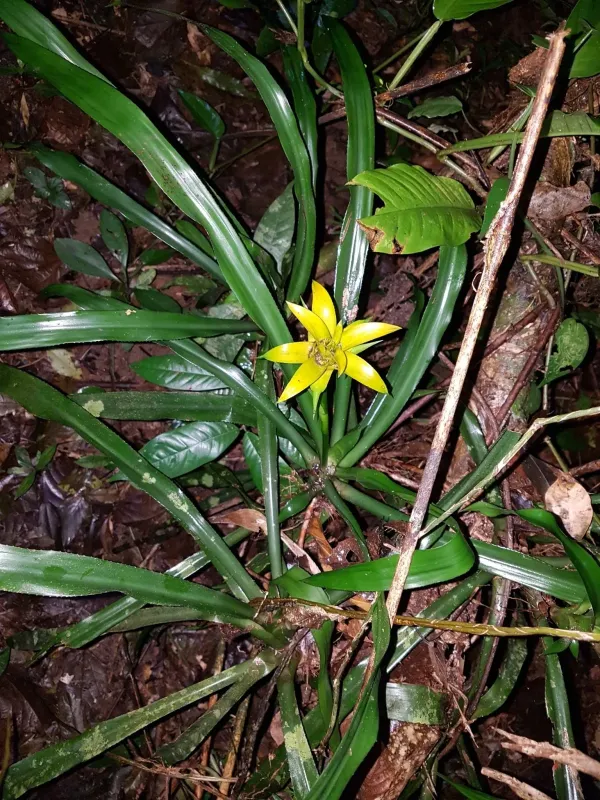
Description
Growing requirements
Nidularium billbergioides is a perennial epiphytic plant belonging to the Bromeliaceae family. Native to the tropical rainforests of Brazil, this culture thrives in humid environments under the canopy of larger forest trees, receiving filtered sunlight throughout the year.
The culture requires bright, indirect light to maintain its vibrant green foliage and encourage proper development of the central rosette. Direct exposure to mid-day sun should be avoided as it can cause leaf bleaching and severe dehydration of the delicate tissues.
Environmental temperature management is crucial for the growth cycle. The plant prefers consistent temperatures between 20°C and 25°C. It is highly sensitive to cold drafts and temperatures falling below 15°C, which can cause physiological stress and growth arrest.
The growing medium must be porous, well-draining, and rich in organic matter. A mixture of pine bark, peat moss, perlite, and charcoal is recommended to mimic the natural epiphytic conditions and prevent root suffocation.
Irrigation practices involve filling the central tank (the rosette) with purified, soft water. It is essential to flush the tank regularly to prevent the accumulation of minerals and decaying organic debris, which could promote bacterial growth within the rosette.
Main diseases and pests
The most significant pests affecting Nidularium billbergioides include scale insects and spider mites. These pests typically colonize the underside of leaves or the base of the rosette, depleting the plant's nutrient reserves and causing visible foliage damage.
Root and crown rot are common pathological threats usually caused by stagnant water in the substrate or poor air circulation. Overwatering is the primary factor that creates favorable conditions for pathogenic fungi development.
Leaf tip necrosis is a frequent issue related to low humidity or water quality. Salt buildup from tap water can lead to brown edges, making it necessary to use filtered or distilled water for optimal plant health.
Mealybugs can be managed through regular monitoring and manual removal, followed by the application of mild horticultural oils. Maintaining clean leaves and a proper environment significantly reduces the incidence of such infestations.
General hygiene, such as removing dead leaves and ensuring adequate airflow, serves as a primary preventative strategy against common pests and environmental diseases in this species.