
Begonia xanthina
Begonia xanthina
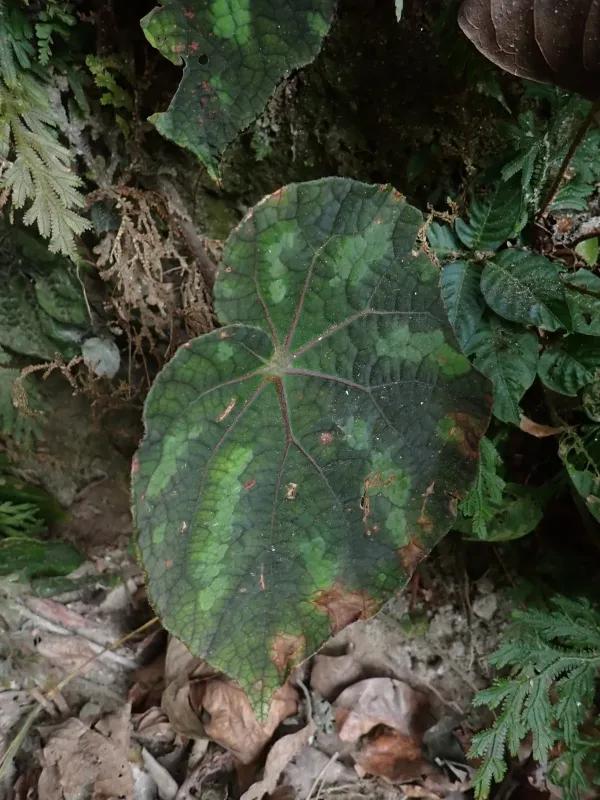
Description
Growing requirements
Begonia xanthina is a notable member of the Begoniaceae family, recognized for its specific botanical characteristics and ornamental foliage in tropical landscapes.
The species originates from the humid forest floors of the Eastern Himalayas, specifically across regions in India and Bhutan, favoring shaded environments.
Successful cultivation requires a well-draining, nutrient-rich soil mix with a slightly acidic pH to mimic the natural forest floor conditions of its native habitat.
Climatic requirements involve maintaining high relative humidity levels, ideally between 60% and 80%, alongside a stable temperature range of 18°C to 24°C.
Proper light management is critical, as the species thrives in bright but indirect sunlight; intense exposure can easily scorch the leaves and stunt development.
Main diseases and pests
The primary agricultural threats to this crop include fungal pathogens like powdery mildew and various forms of root rot induced by improper watering practices.
The root system is particularly vulnerable to waterlogging, which necessitates excellent drainage to prevent the proliferation of soil-borne diseases.
Spider mites represent a major pest risk, frequently appearing when the ambient humidity drops too low, damaging the plant through sap extraction.
Mealybugs and thrips can also pose significant challenges, often spreading quickly if the plant is kept in poor ventilation or overcrowded conditions.
Integrated pest management, including regular inspection and the use of appropriate insecticidal treatments, is essential to maintain the plant's aesthetic value.