
Begonia chingipengii
Begonia chingipengii
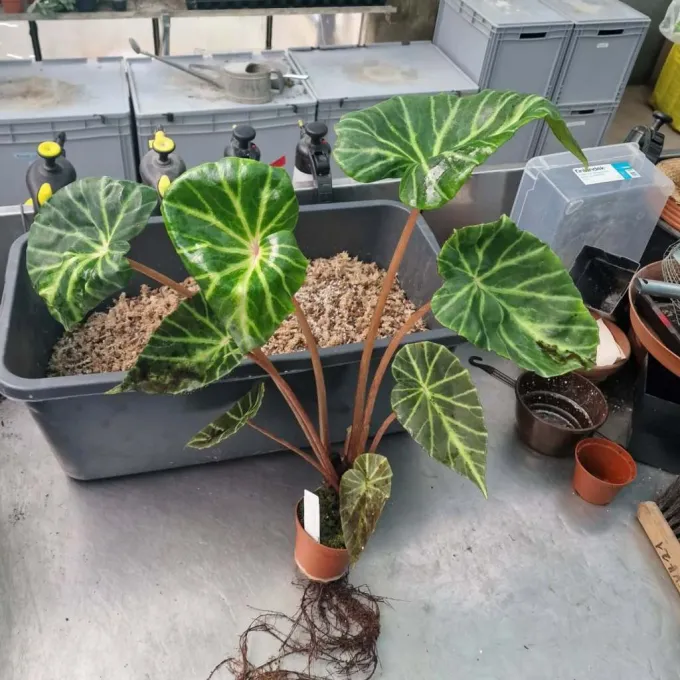
Description
Growing requirements
Begonia chingipengii is a distinctive member of the Begoniaceae family, notable for its specific morphology and restricted natural distribution. As a rare botanical species, it requires precise environmental conditions to thrive outside of its native tropical habitat.
The plant originates from sheltered, high-humidity regions, which necessitates maintaining a consistent environment with steady moisture levels. In cultivation, high humidity is essential for the healthy development of its delicate foliage and overall structural integrity.
Soil requirements for this species focus on providing an airy, well-draining substrate. A mix rich in organic matter, such as peat or coco coir combined with perlite, is recommended to ensure that roots receive sufficient oxygen and are not prone to waterlogging.
In terms of light, Begonia chingipengii prefers shaded or semi-shaded environments with indirect lighting. Exposure to direct sunlight can severely damage the leaf tissues, leading to discoloration and necrosis of the plant's ornamental parts.
The agricultural or horticultural utility of this species lies in its value as a collector's item and its contribution to the diversity of the Begonia genus. Breeders often study such species to understand better the genetic traits required to improve resilience in hybrid cultivars.
Main diseases and pests
The primary health threats to this species include fungal infections, such as powdery mildew or various forms of root rot. These are typically triggered by poor air circulation and excessive moisture on the surface of the leaves or within the growing medium.
Pest management is equally critical for this crop. Common threats include spider mites, which thrive in low-humidity conditions, and mealybugs. Proactive monitoring and maintaining proper environmental balance are the most effective strategies for preventing infestations.