
Begonia veitchii
Begonia veitchii
Description
Growing requirements
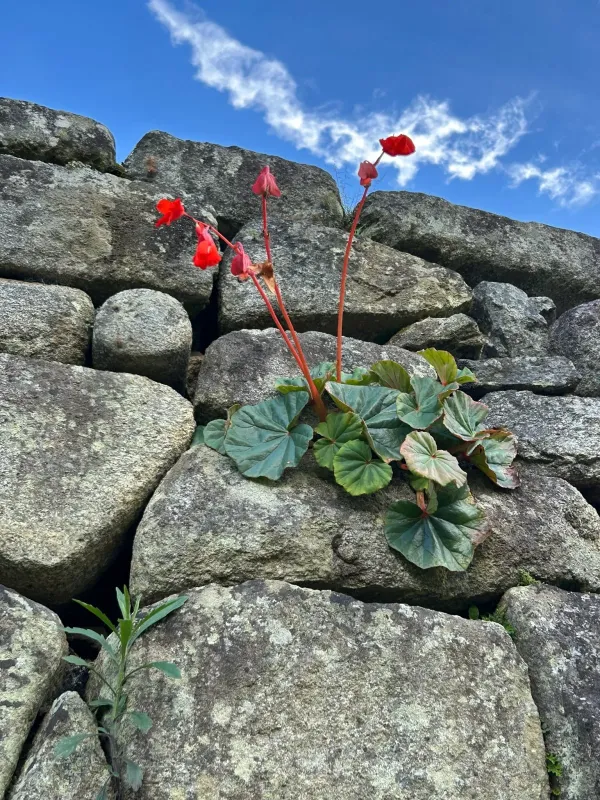
Begonia veitchii is a tuberous perennial species belonging to the Begoniaceae family. Native to the high-altitude regions of the Peruvian Andes, it is adapted to cool, misty conditions and high levels of atmospheric humidity. This botanical heritage necessitates specific care parameters when grown in controlled environments.
The plant requires a highly porous and well-drained growing medium to thrive. A mixture containing organic peat, leaf mold, and perlite is ideal for mimicking its natural mountain soil conditions. Proper aeration of the substrate is vital to prevent root rot, to which this species is particularly susceptible.
Regarding light, Begonia veitchii prefers bright, indirect illumination. Exposure to harsh, direct sunlight will quickly cause leaf scorching and irreversible damage to its foliage. A position with filtered morning light is often considered optimal for maintaining deep green leaf color and healthy growth.
Temperature management is crucial for the health of this species. It performs best in cool environments, typically ranging between 15°C and 20°C. In warmer climates, it requires constant airflow and increased humidity to prevent heat stress and subsequent physiological decline.
Watering practices must be meticulous; the goal is to maintain consistent moisture without ever saturating the soil. Using the bottom-watering method helps ensure the roots receive moisture while keeping the sensitive, hairy foliage dry, which prevents many common cultural disorders.
Main diseases and pests
Powdery mildew represents a significant threat, appearing as a white dusting on the leaf surface. This fungus thrives in stagnant, humid air, making it essential to ensure good ventilation around the plants and to apply appropriate fungicidal treatments at the first sign of infection.
Botrytis, or gray mold, often targets the stems and flowers during periods of cool, damp weather or excessive moisture. It can spread rapidly, requiring the prompt removal of all affected plant parts and the adjustment of humidity levels to halt the development of the pathogen.
Spider mites are common indoor pests for this begonia, especially in drier household environments. They pierce the leaf cells to feed on sap, leaving behind a fine web and mottled appearance. Regular cleaning of the leaves and insecticidal applications are recommended for control.
Tuber rot caused by soil-borne pathogens is often a result of overwatering or the use of poorly drained, compacted soil. Once the tuber begins to decay, the entire plant is compromised, highlighting the importance of using sterilized substrate and practicing cautious irrigation techniques.
Fungus gnats can occasionally cause trouble, particularly if the top layer of soil remains damp for too long. While the larvae primarily feed on organic matter, they can damage fine root hairs, potentially providing entry points for other diseases or causing overall plant stress.