
Begonia vankerckhovenii
Begonia vankerckhovenii
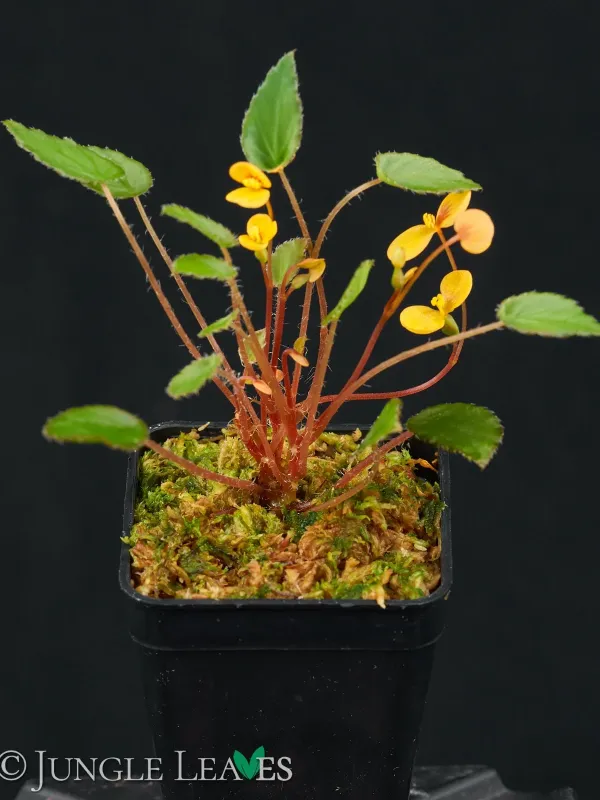
Description
Growing requirements
Begonia vankerckhovenii is a species within the Begoniaceae family, native to the tropical forests of Central Africa. It is a perennial herbaceous plant that thrives in the humid understory of its natural habitat.
Botanically, this species is noted for its delicate foliage structure, which requires specific environmental conditions. It demands bright, indirect light to maintain its optimal color and growth rate, as direct sunlight often causes irreversible leaf damage.
Soil requirements for this plant focus on excellent drainage and aeration. A substrate based on high-quality peat, perlite, and organic leaf mold is recommended to prevent compaction and ensure adequate oxygen availability to the roots.
Climate management is crucial for the success of Begonia vankerckhovenii. It requires high humidity levels and a consistent temperature range, preferably between 18°C and 25°C, avoiding sudden thermal shocks.
Proper cultivation practices involve careful irrigation, where water is applied only when the surface of the growing medium is slightly dry, ensuring that excess water is drained from the pot to prevent root asphyxiation.
Main diseases and pests
The primary pests affecting this species include spider mites and mealybugs, which are particularly prevalent in environments with poor humidity control and inadequate air circulation.
Pathogenic fungi, such as powdery mildew and Botrytis, pose a significant threat. These diseases often emerge when moisture persists on the foliage or when the plant is kept in stagnant, humid air conditions.
Root rot is a major physiological threat often caused by improper watering techniques. Keeping the roots in waterlogged soil invites bacterial and fungal pathogens to destroy the plant's vascular system.
Integrated pest management strategies should be employed, focusing on maintaining optimal plant vigor through balanced nutrition and environmental stability to reduce the likelihood of pest outbreaks.
Regular monitoring of the underside of leaves and stems allows for the early detection of issues, enabling the gardener to intervene with appropriate biological or chemical treatments before the infestation becomes severe.