
Elm-leaf begonia
Begonia ulmifolia
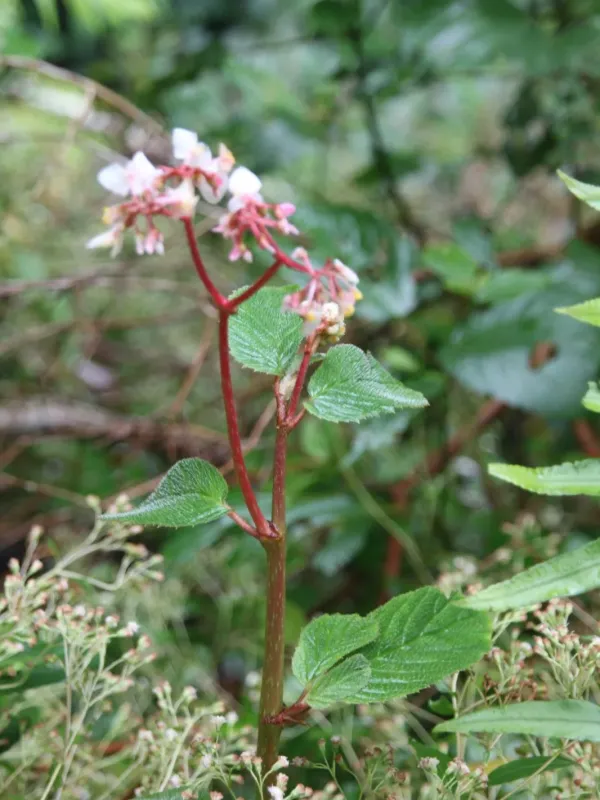
Description
Growing requirements
Elm-leaf begonia (Begonia ulmifolia) is a member of the Begoniaceae family. It is a perennial plant native to the tropical regions of South America, specifically found in the humid, shaded understories of Venezuelan and Colombian forests.
To cultivate this plant successfully, one must replicate its natural habitat conditions. It thrives in ambient temperatures ranging from 18°C to 25°C. Exposure to direct sunlight is detrimental, as the foliage is prone to scorching, requiring filtered or indirect light exposure.
The substrate should be porous, well-draining, and rich in organic matter. A mixture of peat moss, perlite, and leaf mold is recommended to provide the necessary aeration for root development while retaining sufficient moisture without waterlogging.
Humidity management is crucial for the health of Begonia ulmifolia. Because it is native to high-humidity environments, it requires frequent misting or the use of an environmental humidifier to prevent leaf edge browning and maintain vigor.
In terms of usage, this plant is primarily valued for its ornamental appeal. Its unique foliage, which bears a striking resemblance to the leaves of an elm tree, makes it a popular choice for botanical displays, indoor tropical settings, and collector gardens.
Main diseases and pests
Common pests affecting this species include spider mites, which flourish in dry indoor conditions, and mealybugs. Regular sanitation and monitoring are essential to prevent infestation that can weaken the plant and cause significant leaf loss.
Fungal pathogens such as Botrytis and powdery mildew pose significant threats, particularly when airflow is restricted or foliage remains wet for extended periods. Effective management involves ensuring proper space between plants and avoiding overhead irrigation.