
Begonia teuscheri
Begonia teuscheri
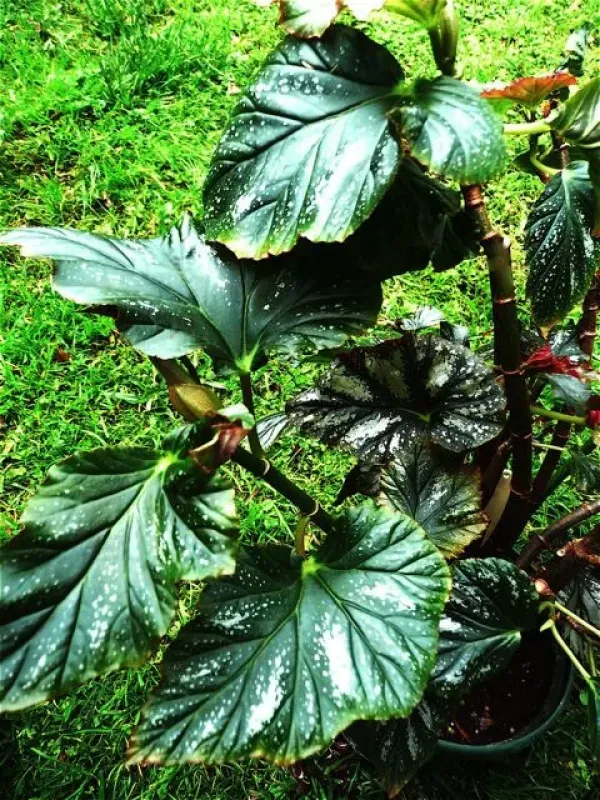
Description
Growing requirements
Begonia teuscheri is a distinctive species belonging to the Begoniaceae family. Originally native to tropical rainforest regions, this plant is primarily cultivated as an ornamental specimen due to its unique foliage texture and aesthetic appeal.
The culture requires a consistent tropical climate to thrive. It performs best at temperatures ranging between 20 and 25 degrees Celsius, as it is highly sensitive to cold drafts and temperatures dropping below 16 degrees Celsius.
High relative humidity, ideally between 60% and 75%, is essential for the healthy development of this plant. In arid indoor environments, the use of humidifiers or pebble trays is necessary to maintain the required moisture levels.
Soil requirements for Begonia teuscheri include a porous, nutrient-rich, and slightly acidic medium. A mix of peat moss, perlite, and vermiculite provides the optimal balance of moisture retention and root aeration.
Agrotechnical management involves careful irrigation, ensuring the growing medium stays moist but never waterlogged. Fertilization with a balanced liquid feed should be performed sparingly during the peak growing season.
Main diseases and pests
Powdery mildew represents a significant threat to Begonia teuscheri, especially in poorly ventilated spaces. This fungal infection manifests as a white, dusty layer on the leaves, which can lead to premature leaf drop if untreated.
Root rot, caused by pathogenic fungi such as Pythium, occurs when plants are grown in heavy soil with inadequate drainage. Maintaining strict irrigation protocols is the primary method of disease prevention.
Spider mites are the most common pests affecting this species. These microscopic arachnids thrive in dry conditions and can cause severe damage by piercing the leaf cells and draining vital sap.
Mealybugs may also colonize the plant, hiding in leaf axils. Mechanical removal followed by the application of horticultural soaps or systemic insecticides is generally effective for controlling such outbreaks.
Regular sanitation of the cultivation environment is critical. Removing debris and infected plant tissue helps break the lifecycle of pests and prevents the spread of spores within the nursery or collection.