
Scaly begonia
Begonia squamulosa
Description
Growing requirements
The scaly begonia (Begonia squamulosa) is a perennial herbaceous plant belonging to the Begoniaceae family. It is a shade-loving species naturally adapted to the high-humidity environments found in tropical forest understories.
Native to Western and Central Africa, this species is cultivated primarily for its unique aesthetic traits. It thrives in environments where humidity levels remain consistently high throughout the growing cycle, ideally above 70 percent.
Optimal cultivation requires a light, well-draining potting medium rich in organic matter. Over-watering is a common management mistake that leads to root asphyxiation, so ensuring proper drainage at the bottom of containers or beds is essential.
Temperature management is critical; the crop requires stable tropical conditions between 20°C and 26°C. Any exposure to temperatures below 15°C can cause significant physiological stress and cessation of active growth processes.
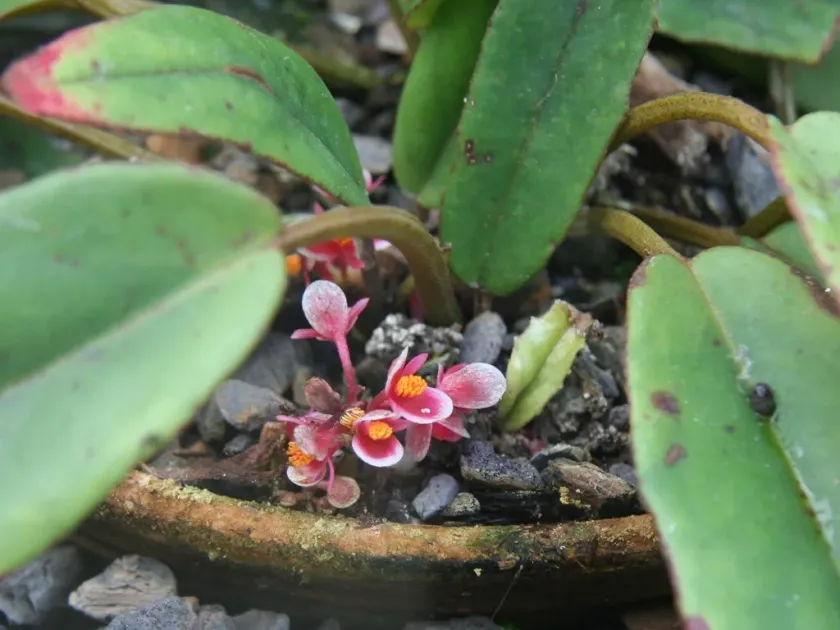
Botanically, the plant is characterized by the presence of small scales on its petioles and stems, which is the defining feature of this species. Its leaves display a complex, asymmetrical structure with varied venation patterns that are highly valued in horticultural collections.
Main diseases and pests
The main pathological threats include fungal infections such as powdery mildew and Botrytis cinerea. These pathogens thrive in stagnant, humid air, making regular greenhouse ventilation and airflow management a key agronomic priority.
Insect pests, particularly aphids and spider mites, pose significant risks to the foliage health. Integrated Pest Management (IPM) strategies, involving biological controls and mechanical monitoring, are strongly recommended for maintaining high-quality plant vigor and aesthetic appearance.