
Begonia solimutata
Begonia solimutata
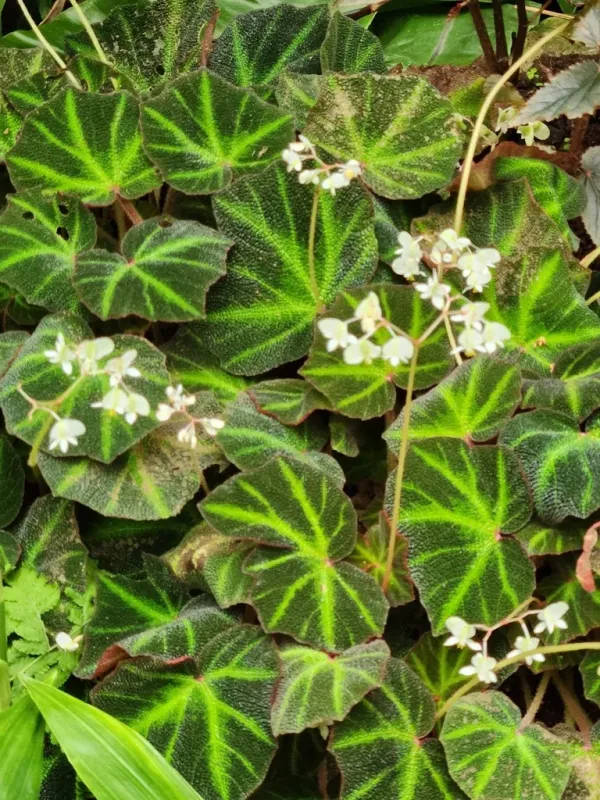
Description
Growing requirements
Begonia solimutata is a distinctive plant species belonging to the Begoniaceae family. It is highly valued in horticulture for its ornamental foliage, which exhibits unique patterns and textures typical of tropical flora.
This species originates from the rainforests of Brazil, which dictates its preference for high humidity and diffused light conditions. It is typically grown in controlled environments to mimic its natural habitat.
The optimal temperature range for the healthy development of this culture is between 20°C and 25°C. The plant is sensitive to thermal stress and cold drafts, which can negatively affect its growth rate.
A well-draining, slightly acidic substrate is essential for preventing waterlogging. The mix should consist of peat-based components combined with inorganic materials like perlite for optimal root aeration.
Proper lighting is critical; the plant thrives in bright, indirect light. Direct sunlight is strictly prohibited as it can cause significant damage to the sensitive leaf structure and lead to dehydration.
Main diseases and pests
Powdery mildew is a common fungal threat that occurs under poor ventilation conditions. Improving air circulation is the primary cultural practice to mitigate the risk of fungal spread across the leaves.
Root rot, caused by excessive soil moisture and poor drainage, remains the most frequent cause of plant mortality. Strict monitoring of watering intervals is necessary to keep the roots healthy.
Spider mites are prevalent pests that target Begonia solimutata, especially when ambient indoor humidity drops too low. Regular misting or the use of humidifiers helps deter these infestations.
Mealybugs can often be found in the tight spaces where leaves meet the stem. Manual removal combined with biological or chemical insecticides is usually sufficient for control in small collections.
Grey mold, or Botrytis, can manifest during periods of cool, damp weather. Maintaining a balanced environment with moderate temperature and adequate airflow is key to preventing this infection.