
Begonia serratipetala
Begonia serratipetala
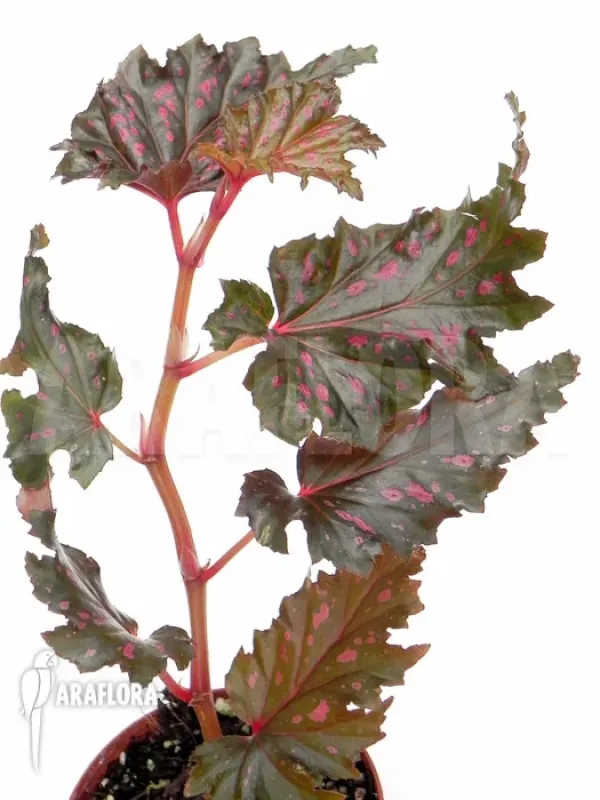
Description
Growing requirements
Begonia serratipetala belongs to the Begoniaceae family and is recognized for its unique foliage with serrated edges. Originating from the tropical rainforests of Papua New Guinea, this plant thrives in warm, humid environments that mimic its natural understory habitat.
The plant prefers bright, indirect light to maintain its vibrant leaf coloration and compact growth habit. Exposure to direct sunlight for extended periods can cause leaf scorching, while insufficient light leads to leggy stems and loss of the characteristic deep metallic tones.
Temperature management is critical for successful cultivation; the ideal range is between 20°C and 25°C. As a tropical species, it is highly sensitive to cold temperatures and should be kept away from air conditioning vents and cold drafts that may trigger dormancy or dieback.
A well-draining, peat-based soil mixture is essential to prevent root rot, which is the most common cause of plant failure. Incorporating perlite or vermiculite ensures sufficient aeration, allowing the roots to breathe while maintaining consistent moisture levels.
Humidity requirements are relatively high, often necessitating the use of pebble trays, humidifiers, or terrarium cultivation. Maintaining moisture in the air prevents the foliage from drying out and promotes healthy leaf development and flowering potential.
Main diseases and pests
Powdery mildew is a frequent issue in environments with poor air circulation and fluctuating humidity levels. It manifests as a white, dusty coating on the leaves and can significantly weaken the plant if left untreated with appropriate fungicidal sprays.
Root rot, typically caused by overwatering and waterlogged soil, is a major threat. Once symptoms such as yellowing leaves or stem mushiness appear, it is vital to inspect the root ball, prune away infected tissue, and repot in fresh, sterile medium.
Pests like aphids and spider mites can colonize the plant, particularly in dry indoor conditions. These pests feed on the sap and can spread rapidly, so routine inspections of the plant foliage are recommended for early intervention and pest control.
Biological and chemical control methods should be balanced to ensure plant safety. Using neem oil or insecticidal soaps can be effective for early-stage infestations, while systemic treatments may be required for more severe, established colonies of pests.
Consistent sanitation practices, such as removing fallen leaves and maintaining a debris-free surface around the plant, contribute to a healthier growing environment and help prevent the buildup of fungal spores or pest populations.