
Kidney-leaved Begonia
Begonia reniformis
Description
Growing requirements
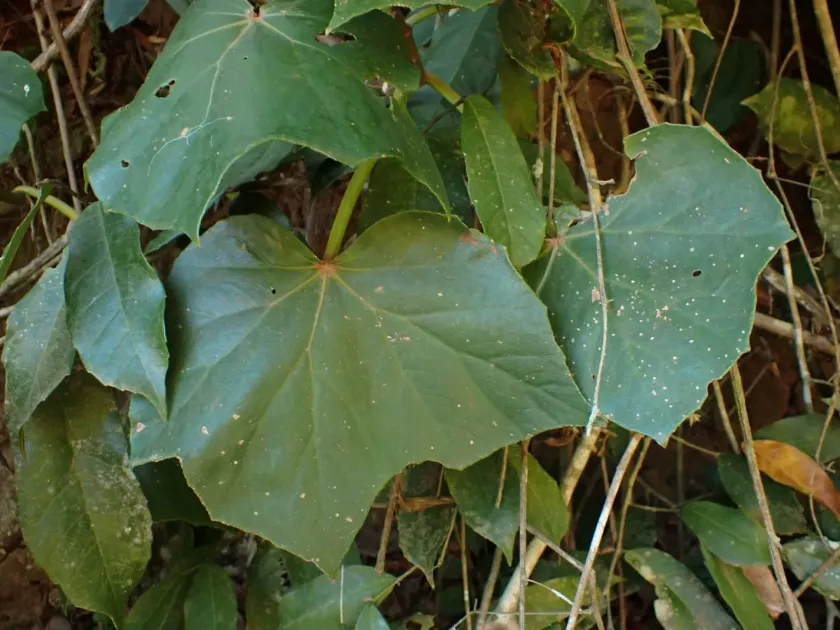
Begonia reniformis, commonly known as the kidney-leaved begonia, is a species within the Begoniaceae family. Originating from the tropical rainforests of Brazil, this plant is well-adapted to high-humidity environments and dappled forest light conditions.
To cultivate this species effectively, one must ensure a consistent temperature range, ideally between 18 and 25 degrees Celsius. The plant is sensitive to thermal stress, so maintaining a stable environment is crucial for its long-term health and growth.
The substrate must be well-draining, rich in organic matter, and slightly acidic. A mix of peat moss, pine bark, and perlite provides the necessary structure to prevent compaction and allow for proper root aeration in an indoor setting.
Light intensity plays a significant role in the plant's morphology. Providing bright, indirect light ensures the leaves maintain their vibrant color and prevents the stems from becoming leggy or weak throughout the growing season.
Watering protocols should follow a cycle that allows the top soil to dry slightly before the next hydration. Overwatering is the most common cause of failure; therefore, ensuring adequate drainage at the bottom of the container is a fundamental requirement.
Main diseases and pests
Common pests affecting Begonia reniformis include spider mites and mealybugs, which thrive in low-humidity indoor environments. Effective management involves regular leaf wiping and, if necessary, the application of horticultural oils or specialized insecticides.
Fungal diseases, including Botrytis and powdery mildew, are significant risks during periods of poor air circulation. Sanitation of the growing area and avoidance of overhead watering help mitigate these threats and ensure a robust plant structure.