
Begonia peltata
Begonia peltata
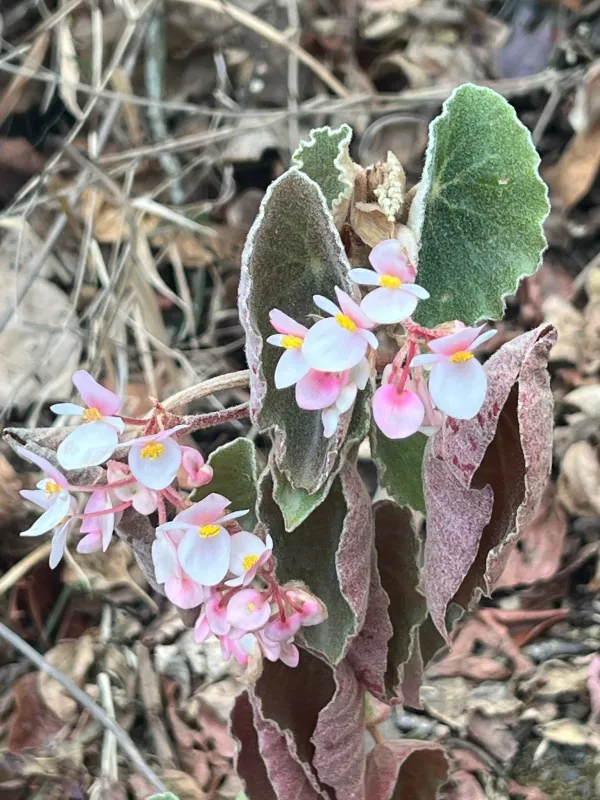
Description
Growing requirements
Begonia peltata is a distinctive ornamental plant belonging to the Begoniaceae family. Originating from the tropical regions of Mexico, this species has become a favored choice among botanical enthusiasts due to its striking, peltate leaves and velvety white pubescence.
The plant thrives in bright, indirect light conditions. Direct sunlight is strictly detrimental as it quickly scorches the foliage. Maintaining a stable ambient temperature between 20°C and 25°C is essential for optimal growth throughout the active season.
The soil requirements are specific: a well-draining, slightly acidic medium is necessary to prevent root issues. A professional mix containing peat moss, perlite, and decomposed leaf mold provides the structure and nutrient levels needed for healthy development.
Watering must be approached with caution; the goal is to maintain consistent moisture without inducing waterlogging. Using room-temperature, filtered water helps avoid chemical stress and potential damage to the delicate root system.
Botanically, the species is recognized by its shield-shaped leaves and succulent stems. Regular repotting every two years into a slightly larger container ensures that the root system has sufficient space to grow, which in turn supports lush leaf production.
Main diseases and pests
Fungal pathogens such as powdery mildew represent the primary threat to Begonia peltata, particularly in environments with poor air circulation. Symptoms appear as white, dusty patches on the leaf surfaces that inhibit photosynthesis.
Root rot, often caused by overwatering or poorly aerated soil, can lead to sudden collapse of the plant. If the substrate remains damp for too long, the root structure begins to decompose, requiring immediate intervention and repotting.
Pests such as spider mites and aphids are known to feed on the sap of this plant. Mites, in particular, flourish in dry indoor conditions and can cause significant foliage damage if not controlled early with appropriate systemic insecticides.
Mealybugs are another common challenge, usually hiding in the axils of the leaves. Manual removal combined with insecticidal soap application is generally effective for smaller infestations before they spread to other parts of the plant.
To ensure long-term health, keepers should implement preventive maintenance. This includes removing dead or damaged leaves and ensuring that the plant is not overcrowded, which helps manage microclimates and reduces the risk of pest proliferation.